Stumbling over words has to be one of the most frustrating experiences when trying to hold a conversation, especially when trying to impress new acquaintances. It’s a feeling I know all too well.
So, the idea of improving verbal fluency – of becoming more articulate and witty in conversation – has always appealed. This is the kind of brain training I find interesting: brain training with actual benefits. Forget being able to memorise a pack of cards; being able to speak fluently and intelligently is a skill that can open doors.
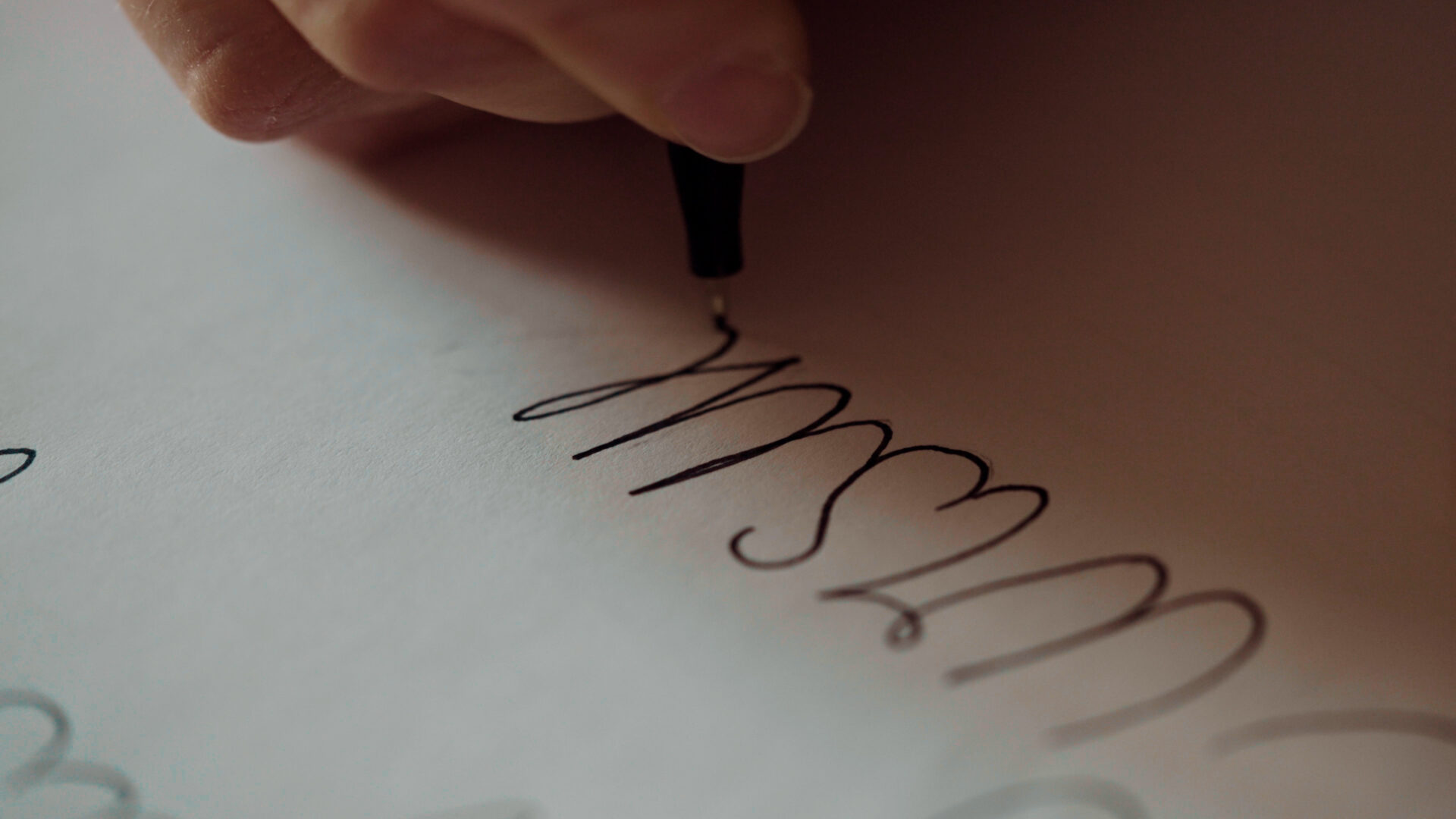
Enter: cursive.
Cursive – or joined up handwriting – threatens to become a lost art. Schools are less inclined to force students through hours of rigorous handwriting practice seeing it as an irrelevant exercise. And with more and more communication being typed rather than written, they may have a point.
At least on the face of it.
Because, more than simply looking nice, cursive also has another advantage: it is an exercise that requires fine motor control, planning, and language. This is especialy critical, considering that the chances are you don’t practice your dexterity in any other meaningful way.
SUPERFUNCTIONAL 3: SUPERMOVER - SPRING SALE!
Supermover is a program that builds an athletic physique and functional performance with short, accessible, & fun home workouts.
GET SUPERMOVER HERE!
And this could be holding you back.
How Cursive Develops the Brain: A Case Study
To demonstrate what a loss this may be for your brain, consider the role of the pre-motor cortex in speech and the case of a young boy described in The Brain That Changes Itself, by Norman Doidge.
The book describes the true story of a boy suffered from jerky writing, poor reading comprehension, and muddled speech. He would often stumble over his own words.
To fix his writing, the Arrowsmith School – an organisation set up by Barbara Arrowsmith with the aim of helping young children with learning disabilities – tasked him with tracing complicated lines in order to stimulate his pre-motor cortex.
(Barbara Arrowsmith is now considered one of the early advocates for applying brain training techniques to cognitive development.)
Remarkably, this exercise not only improved his writing but also his speech and reading. He was able to speak in much longer sentences and without getting ahead of himself. The same exercise has been used to improve the verbal fluency of many others, helping them to become more eloquent, witty, and persuasive in conversation.

While anecdotal, the evidence seems to suggest that practising cursive improves speaking ability. And this is something I also have first-hand experience of (pun unintended but welcome).
My First-Hand (Writing) Experience
Fortunately, my daughter’s school hasn’t abandoned cursive and so my 7-year-old is very eager to show me how she joins up her writing. I thought it only fitting, then, to do the same when helping with her homework or writing in her reading diary. Of course, I was badly out of practice having been writing mostly on a keyboard and otherwise in print since leaving education.
I noticed right away how weird this felt. Writing with joined up handwriting was not only slower but it also led to more mistakes. Sometimes I would write entirely the wrong word. It’s interesting because I noticed something very similar when writing with my left hand.
(Her teachers likely think Emmy’s Dad is unable to write basic sentences without crossing out half the words…)
What’s even stranger, though, is that as my handwriting quickly improved, so too did my verbal fluency. I didn’t make the connection right away but I started stumbling over my words less and I generally felt a bit more confident finishing sentences I started.
A low bar, I know… but I am an awkward, awkward man. (And to be clear, I’m still awkward… just marginally less-so.)
It was only when researching this topic that I realised the two might well be related.
Of course, this is not conclusive. Correlation does not establish causality and then there’s good-old placebo. But given that this is a known phenomena… well I’m certainly going to continue the practice, put it that way.
So, what’s going on?
Why Cursive is So Good for the Brain
During speech, the brain has to convert symbols (words and letters) into movement of the mouth and tongue. This requires rapid processing and planning, which is handled by the pre-motor cortex. The pre-motor cortex is generally responsible for planning movement and preparing the body to execute them.
How about the reading? Doidge speculates that this comes down to the role of the premotor cortex in moving the eyes across the page and from one word to the next. This is still an activity that requires both coordination and language combined.
So, does this mean that any task requiring a level of dexterity would yield similar results? Perhaps not to the same degree, as cursive has the beneficial of specificity. With cursive you are not just moving the hands with fine control; you are doing it while specifically thinking of the next word you want to write. This lights up a specific network, or “language circuit,” in the brain.
In other words (again… pun), you are rehearsing planning what you are going to say, choosing words to best convey that message, then converting those words into fine motor control.
Specifically, the fine motor control necessary for both speaking and writing is handled by, not only the premotor and motor cortices like other movements, but also Broca’s area – a brain region adjacent to the premotor cortex that specialises in handling the production of language.
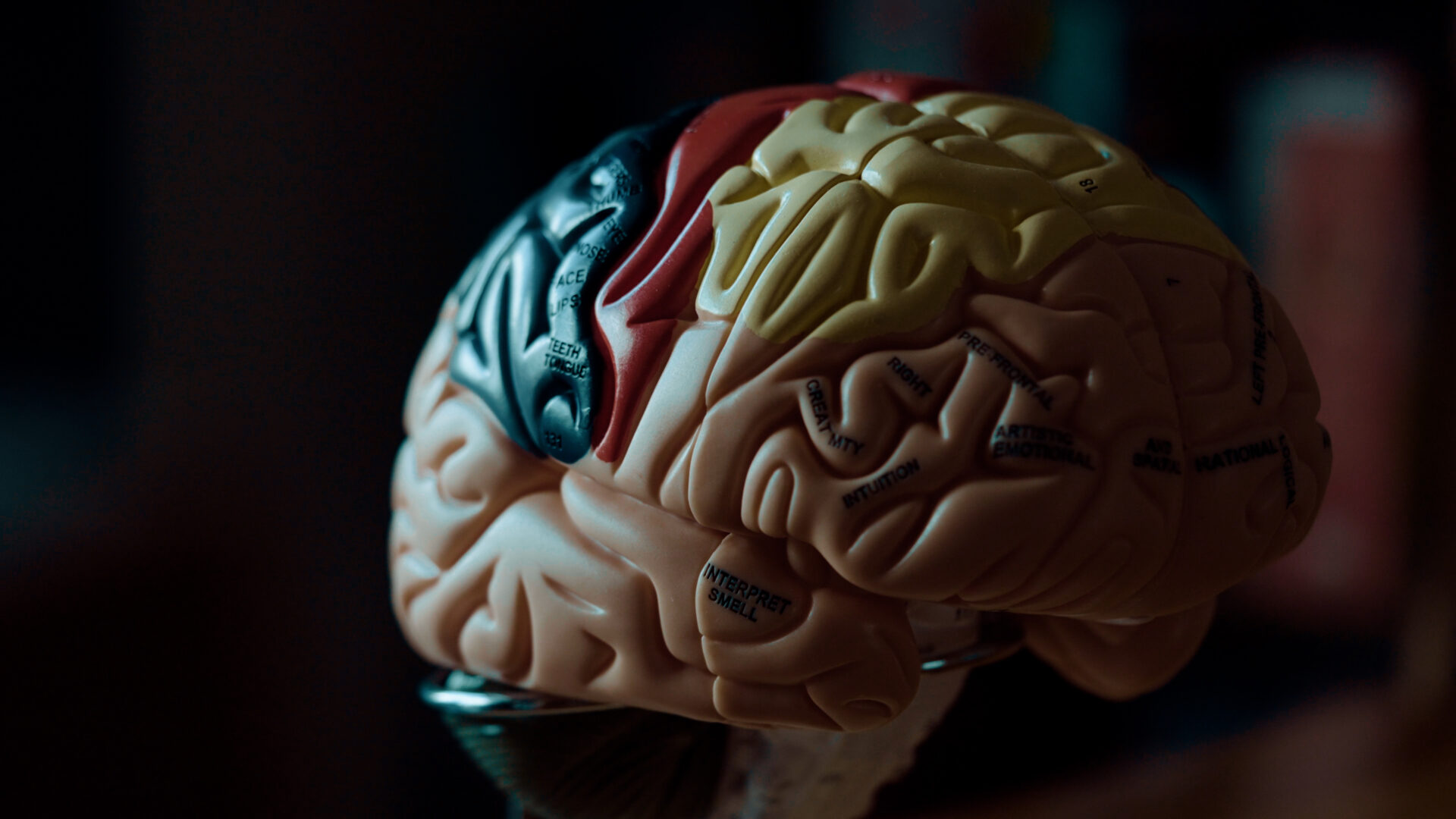
This region is just for fine motor control as it pertains to language. Juggling won’t train this region but handwriting will.
Not only that, but with both speech and written language you also engage other brain areas for choosing what you’re going to say.
This word generation occurs within Wernicke’s Area – the brain region responsible for comprehension and more often associated with reading or understanding language. Thing is, we also use this area to convert our own thoughts into words.
A bundle of fibres called the Arcuate Fasciculus (AF) connects wernickes area to Broca’s area, for example. It also connects other areas: for example, Geschwind’s Territory – an area also connected via the AF that’s responsible for converting symbols into meaning.
Handwriting provides a way for us to rehearse these pathways and to strengthen them from additional new vectors. Strengthening those pathways and creating more robust motor patterns.
This is why brain imaging shows a far greater pattern of neural activity across the brain as compared with typing. And when we continually activate the same brain networks, we reinforce those pathways and become more adept at doing so in future.

With cursive being a more involved process than print writing, this may yield greater results. Cursive forces us to write faster and with many more possible combinations and permutations of shapes.
Then there are the other potential mechanisms. It has been suggested that cursive encourages “whole word” reading, and this could also apply to writing. When you write with cursive, each letter flows seamlessly into the next. This means you are “locked in” to what you want to write and need to plan quicker which word comes next. This explains why switching back to cursive can make you feel jumbled and slow.
And it’s likely for these reasons that we also see many other benefits of cursive in the classroom. Studies suggest that handwriting correlates with everything from improved focus and creativity to comprehension and recall! When you’re using that much of the brain, that regularly, it only follows that this should be the case.
Some Tips for Incorporating Cursive
Want to start practicing cursive in your own life? Well, this is pretty easy to do!
As I said before: I personally practice joined-up writing whenever I write in my daughter’s homework diary. That alone seems to have been enough to notice some benefits.
But you can tie this in with a host of other positive habits: writing, journaling, keeping a gratitude journal or a dream diary, making to-do lists. Writing is almost always a good thing and writing by hand is better, it seems.
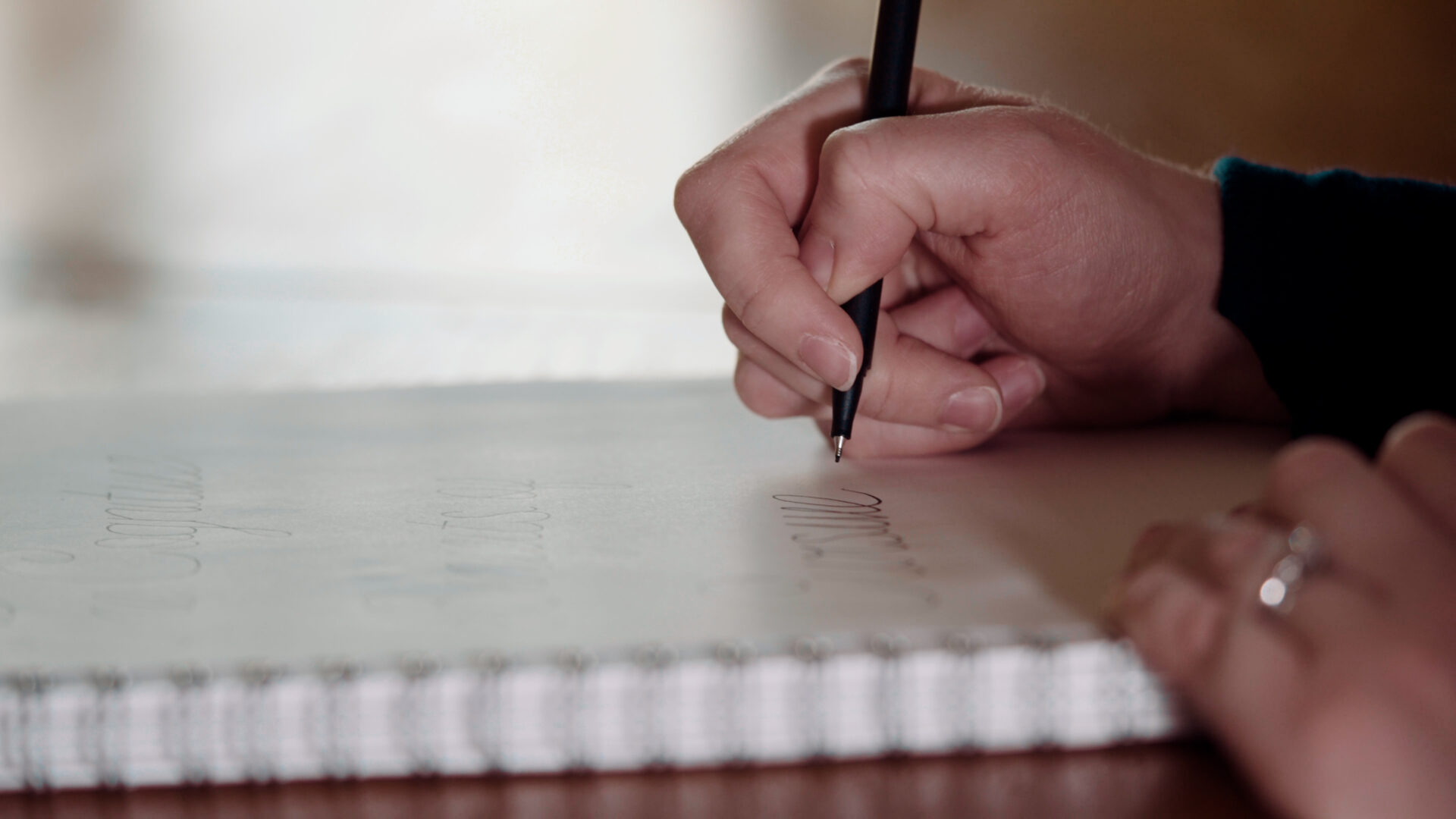
My last tip is to apply effort when you do this. I think the handwriting has been so beneficial for me because I’m trying to do my very best writing every time. This pushes me to the limits of my capabilities – that sweet spot where I’m improving and triggering some kind of response in the brain. If you just go through the motions, you’re unlikely to see the same results.
This is a tip you can apply to all kinds of mundane activities, by the way! I remember making the decision to always try and do the very best performance I could when reading to my daughter at night – and I’m sure this translated to better presenting skills on my YouTube channel!
Closing Thoughts
Keep in mind that there is little in the way of direct research looking at the link between cursive and spoken language specifically. A lot of this is speculation and extrapolation – we know how cursive affects writing and reading and we can guess at the mechanisms of action. Combined with the anecdotal evidence, it seems relatively safe to draw these conclusions.
It’s also not entirely clear just how big the difference is between cursive and handwriting using print. Again, though, I feel there is enough evidence and logic here to make the leap.
And more to the point: I personally feel as though I’ve noticed differences. I just feel like I have a bit more time and space when thinking of the next word, ultimately allowing me to choose the next one with a little more precision.
Come to your own conclusions. But there is certainly no harm in choosing cursive when the opportunity presents itself – I know I will be!
References
- The effects of handwriting experience on functional brain development in pre-literate children – ScienceDirect
- The Neuroscience Behind Writing: Handwriting vs. Typing—Who Wins the Battle?
- Handwriting but not typewriting leads to widespread brain connectivity: a high-density EEG study with implications for the classroom- Frontiers
- Handwriting Boosts Brain Connectivity and Learning – Neuroscience News
- Teaching of cursive writing in the first year of primary school: Effect on reading and writing skills – National Library of Medicine