
There’s a vile rumour going around the internet lately. A rumour that mechanical tension is the sole driver of hypertrophy and strength — and that metabolic stress and muscle damage are completely unnecessary and “proven” to play no role.
In fact, it has become something of the new vogue in science-based training to say that mechanical tension is the only input that matters. This is an overreach based on a misunderstanding of the research. And a lot of this misunderstanding seemingly stems from a single, overreaching scientific review.

Yes, there is some evidence to suggest that mechanical tension — simply loading the muscles with a lot of external weight — is alone sufficient to produce hypertrophy. There is also ground to say it is certainly a primary driver and possibly even the primary driver.
However, there is far less evidence to completely rule out any role for metabolic stress or muscle damage. And doing so may well be functionally meaningless, anyway.
Things Were Simpler Back Then…
To understand the issue, we first need to look at a bit of exercise science history. Don’t worry, I’m going to keep this very brief.
See, there was a time when textbooks painted a very simplistic picture of muscle growth. They depicted growth occurring as a response to specific damage (microtears in the muscle fibre) that would then cause muscle to grow back thicker and stronger than before. The goal of muscle building was, therefore, to create these tears in whatever way worked best.
SUPERFUNCTIONAL 3: SUPERMOVER - SPRING SALE!
Supermover is a program that builds an athletic physique and functional performance with short, accessible, & fun home workouts.
GET SUPERMOVER HERE!
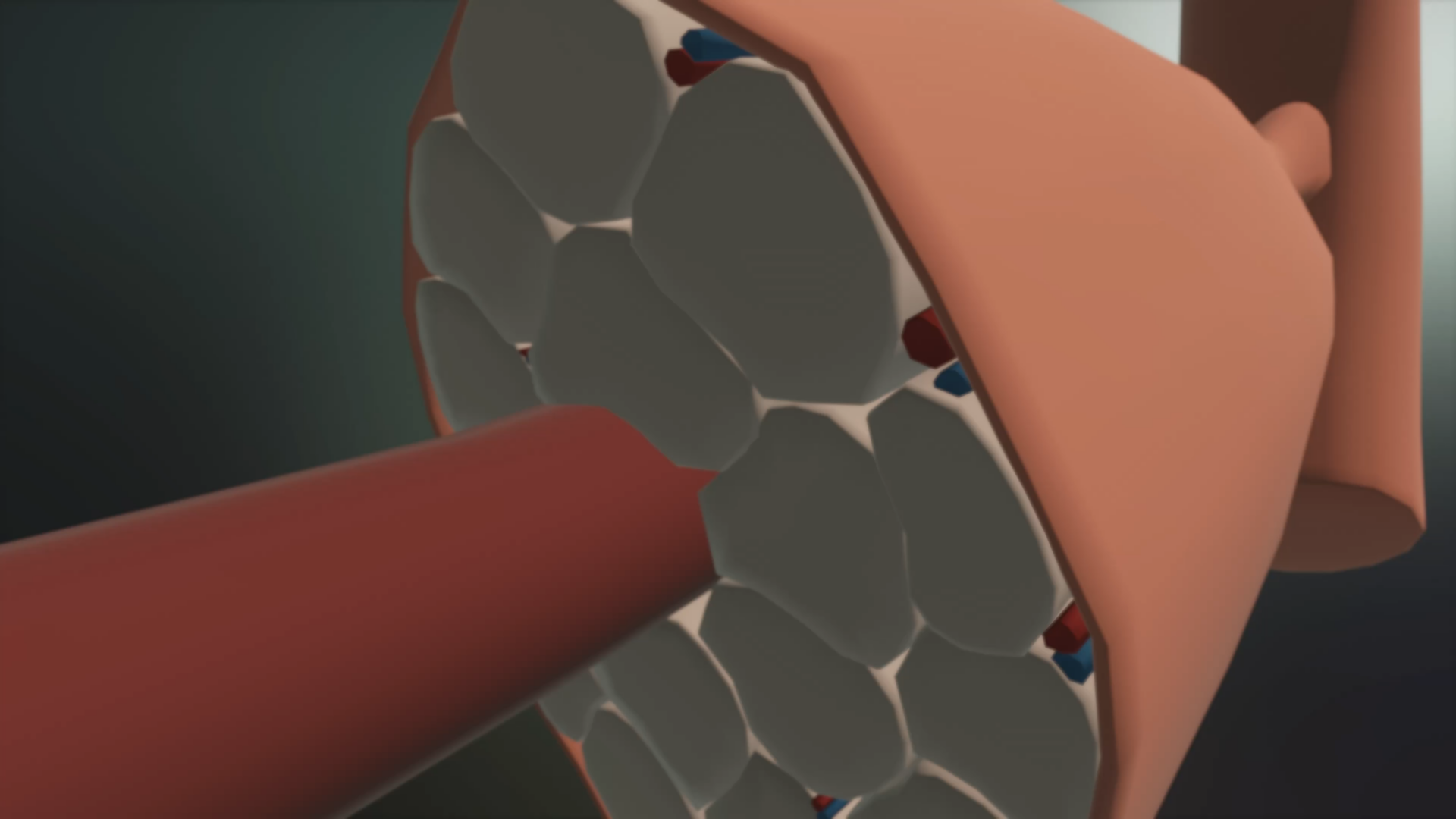
Subsequent researchers came along and described three main drivers of muscle growth in slightly more depth: muscle damage, metabolic stress, and mechanical tension. This three-factor model was discussed in a 2010 paper by Brad Schoenfeld, titled “The Mechanisms of Muscle Hypertrophy and Their Application to Resistance Training.” (1) And the old “microtears” model fell out of favour.
But keep in mind that this three factor model was never meant to be all-encompassing. It still leaves out an awful lot of detail when it comes to what actually drives muscle growth.
Other factors that play a role in hypertrophy include: gene expression cascades, ribosomal biogenesis, satellite cell pools, myonuclei, angiogenesis/blood flow, tendon remodeling, hypertrophy of the fascia, myokine signalling, and much more. That’s to say nothing of the many factors influencing strength specifically — which relies very heavily on adaptations of the central nervous system.
See also: What Happens in the Body When You Build Muscle: The Science of Getting Stronger
Muscle growth is, in fact, an extremely complex process that involves a vast number of different processes and stimuli. The notion that there are three drivers of growth is merely a useful framework for understanding hypertrophy and structuring workouts.
What Went Wrong
So, everyone was happy and the gains were good.
That was until a group of researchers — including some of those original proponents of the three-factor model of hypertrophy — went on to walk back some of their previous assertions.
Schoenfeld first hedged his bets in a 2012 paper titled; “Does Exercise-Induced Muscle Damage Play a Role in Skeletal Muscle Hypertrophy?” (2) In this paper, Schoenfeld noted that the role of muscle damage in hypertrophy was not concretely proven. Certainly, a fair assessment of the situation. He would later echo these sentiments in his book, Science and Development of Muscle Hypertrophy. (3)
Other studies followed that likewise challenged the role of metabolic stress.
But the problems really began when this culminated in a ScienceDirect review, first published online in 2025, titled “Load-induced human skeletal muscle hypertrophy: Mechanisms, myths, and misconceptions.” (4)
This review, written by numerous authors including Van Every, Stuart M. Phillips, and YouTube’s own Jeff Nippard, overstates its case quite dramatically and seems to be where a lot of the overconfident claims surrounding the mechanisms of muscle building come from. While this review did not originate these ideas, many people point to it when proclaiming the case closed on the matter. It certainly crystallises the current zeitgeist – and it does so while making a lot of sweeping statements that it fails to back up.
To that end, we will dedicate a little extra space in this essay to dismantling some of its points.
Mainly we will be challenging the statements made in the review that mechanical tension is the “primary and essential driver of muscle hypertrophy via mechanotransductive signalling” (i.e. the signalling processes through which the body detects and reacts to mechanical tension) and that “metabolite accumulation and cell swelling (‘the pump’) lack causal evidence for promoting hypertrophy; their effects are indirect and mechanistically minimal.”
I emphatically feel the wording here is far too strong. And the result is a knee-jerk reaction against all training methods not focussed purely on mechanical tension.
We’ll see specifically why all this is such a problem.
At best, the literature could claim a lack of evidence. But absence of evidence is not evidence of absence.
But keep in mind, the real culprits are those who have even further extrapolated from this review (and other papers) and concluded that anyone chasing metabolic stress or muscle damage is entirely wasting their time.
That’s simply not what the science says. It’s not how science works, even.
And we have plenty of reason to doubt this line of thinking.
Studies vs Experience
Bodybuilders have been chasing “the pump” for decades and it seems to have worked out pretty well for them.
Anyone who has trained for a significant amount of time knows the feeling of a good workout. Without knowing the precise mechanisms underlying that training, we intuitively seek out stretched positions, the feeling of blood flow, and mechanical failure.
Time and time again, we are told one way is better than the other. Time and time again, the old ways hold true and listening to your body remains the most valuable advice.
The ScienceDirect paper claims that failing to understand the precise underlying mechanisms leads to confusion and a lack of optimisation… I’d argue the precise opposite.
I believe the review fails at its own stated goal to “simplify” optimised strength training. By scaring people away from metabolic stress and muscle damage, it may well be throwing out the baby with the bathwater.
And it makes the bold assertion that we now know the underlying mechanisms with any degree of certainty.
Telling those same people to stop what they’re doing and train purely for mechanical tension won’t be helpful in the majority of cases. Not least because it’s practically impossible to separate these factors and train for one without the others.
The Case for Metabolic Stress
Moreover, there is at least some evidence that still supports the effectiveness of metabolic stress and possibly muscle damage, too.
For one, we have ample evidence that blood flow restriction (BFR) is very effective for increasing muscle mass… and it’s reasonable to believe that BFR works predominantly through metabolic stress. At the very least, its effects are mediated by metabolic stress, but it may well go further. (5)
In BFR training, a tourniquet is used to pool blood in one specific area. The subject can then train using very light weights and expect to see a disproportionately large amount of muscle growth. This happens because the hypoxia and trapped blood create a metabolic environment that stimulates growth. The blood travels to the muscles but cannot escape.
Those not willing to give metabolic stress any credit at all might counter-argue that the benefits of BFR come from the hypoxic environment. More specifically: that hypoxia forces the recruitment of more fast twitch muscle fibre (because it is anaerobic).
By engaging the higher-threshold motor units, BFR is able to apply mechanical tension where it otherwise couldn’t reach. Something that even the ScienceDirect review concedes.
But we’ve seen BFR work even when the subject is merely walking — which is barely any mechanical tension at all. We can say that BFR is, in this case, aiding with the activation of high-threshold motor units. But it’s a stretch, I think, to claim that there’s much mechanical tension going on here. So, I would wager that metabolic stress is at least directly enhancing the muscle building process.
The ScienceDirect review challenges this by pointing out that adding BFR to very heavy lifting doesn’t correlate with increased muscle growth beyond what you’d expect from heavy lifting on its own. Therefore, the authors claim, metabolic stress is not effective on its own. But this is another huge leap to take, given that the very heavy lifting might already have reached an upper ceiling for hypertrophy (and in that study some participants did experience increased hypertrophy!). (6)

Other criticisms levelled at BFR-as-evidence-for-metabolic-stress include the fact that BFR does not trigger hypertrophy without resistance training or during bed rest. This does nothing to imply that BFR is not working synergistically with other mechanisms to encourage growth and, again, does not earn the authors the conclusion that “If a BFR-mediated metabolite-mediated stimulation influence on metabolism does exist, the additive benefit of metabolite accumulation in stimulating MPS is of minimal influence.”
Likewise, the review hand-waves a lot of the evidence for metabolic stress contributing to muscle growth as being unable to establish causation:
“Valério and colleagues investigated the association of serum metabolites following 8 weeks of high- and low-load training and observed significant correlations between changes in muscle thickness of the vastus lateralis muscle in the higher load group and levels of the metabolites… it is important to note that the correlations observed do not imply causation and caution is warranted when drawing inferences on whether these metabolites play a role in hypertrophic adaptations or are merely associated with growth.” (7)
“A study in male mice, in which oral La− (100 mg/kg) and caffeine (36 mg/kg) were administered during 4 weeks of treadmill running, reported greater increases in muscle weight of the gastrocnemius and tibialis anterior compared to exercise and sedentary controls.” (8)
(So, this time the mere presence of caffeine is enough to write off the entire result…)
“While some literature supports a direct anabolic role of metabolites, none of these studies were specifically designed to isolate this effect independently of muscle contraction…”
This simply doesn’t tell us that metabolic stress has no role.
More Leaps of Logic
Critiques of the hypothesised role of muscle protein lactylation follow but this only relates to one proposed mechanism — not metabolic stress as a whole (and there are more methodological issues with the studies listed which I won’t go into seeing as this essay is already 4,000+ words long).
The review points out that exercises like sprinting and HIIT produce less hypertrophy than resistance training despite high concentrations of metabolites. But not only are these concentrations not localised in the same way they are with, say, high rep training, but sprinting actually does offer significant hypertrophy for the lower legs — while HIIT is an incredibly non-specific descriptor. Battle ropes can absolutely build big arms and shoulders, if you want a comparable example.
And seeing as sprinting already recruits high-threshold motor units, we can’t hand wave that one quite so easily.
None of this is damning. Again, this only shows us that more evidence is needed and NOT that we should rule out metabolic stress, entirely.
I’m not saying these are good studies supporting metabolic stress; and I’m not saying there’s plentiful evidence for metabolic stress, at all. All I am saying is the evidence does not support the conclusions and the same rigorous standard has not been applied elsewhere in the review.
Because, as we will see, all of the exact same criticisms can be levelled at the evidence for mechanical tension acting as a sole driver of hypertrophy.
And even if we choose to agree with their criticisms of metabolic stress and, for the sake of argument, say that it only contributes by allowing the engagement of higher threshold motor units… well then it’s still not pointless, is it? The review itself even concedes this point (before writing metabolic stress off as unproven and minimal in its effect).

If you only chase mechanical tension, you need to keep training to failure (at least failure of the low threshold motor units) to stimulate those high threshold motor units. That can be done with progressive overload. Or it can be done with higher rep ranges. Either way, we’re fatiguing the muscle via metabolic stress to achieve that end.
Either way, metabolic stress was a key ingredient. What exactly are we achieving by separating these out?
Cell Swelling
Likewise, the review lists several studies and reviews supporting the potential role of cell-swelling in hypertrophy (9). It notes the reported differences in muscle hypertrophy between bodybuilders and powerlifters.
But then the authors immediately dismiss the same references entirely for methodological reasons. In one case pointing out that only an abstract was actually published (that they could find):
“[Researchers reported] a significant positive correlation (r = 0.682) between muscle swelling and hypertrophy. However, this study was presented as an abstract and has not, to our knowledge, been published in full form.”
While the critiques may be fair in themselves, the very same paragraph concludes that “evidence suggests it has no impact on hypertrophy.”
Note that this was also a follow up to another promising study.
This makes the same mistake, again, of confusing an absence with proven ineffectiveness. To paraphrase: they are effectively saying “one study looked promising but only the abstract was published so therefore cell swelling has minimal effect.”
This is simply an illogical leap. We don’t have enough evidence to show that cell swelling definitely plays a role. But we also cannot say “evidence suggests it has no impact.” Those are two completely different statements.

Double Standards for Mechanical Tension
All this is especially egregious given that the same pedantry is not shown to the studies supporting mechanical tension which, by the authors’ own admission, demonstrate many of the same methodological issues. The authors focus on the role of integrin/FAK signalling, concede that there is no evidence linking integrin to FAK in human muscle, point out where causality can’t be established, reference multiple animal studies… and then go on to conclude that “tension is primary,” anyway.
Observe this paragraph:
“There is some evidence to suggest that focal adhesion kinase (FAK), an enzyme localized within costameres, plays a key role in initiating these signals… Crossland et al. (10) showed using insulin-like growth factor-1 (IGF-1) in vitro that FAK inhibited IGF-1-mediated MPS and myotube hypertrophy, which limits the translation of these findings in vivo.”
“Additionally, while mechanical stimulation may increase FAK activity in a variety of cells, there is currently no evidence to demonstrate a direct link between α7β1-integrin and FAK in skeletal muscle, nor activation of FAK by the integrin, and this area remains largely unexplored in human skeletal muscle.”
This is the tone throughout the entire section on mechanotransduction. So how are we to square it with this segment of the section’s closing statement:
“Despite significant progress, our understanding of mechanotransduction in RET-induced hypertrophy remains incomplete. Nevertheless, mechanical tension is widely recognized as the primary driver of muscle growth..”
The contradiction is right there in two lines.
Tell me this doesn’t represent a double standard given the refusal to engage even with less-problematic studies that don’t support their argument.

Earlier in the same section we’re told:
“At a minimum, [mechanical tension] is responsible for initiating the intracellular signaling cascades related to hypertrophy following RET… It has been shown to independently stimulate mTOR, possibly through the activation of the extracellular signal-regulated kinase/tuberous sclerosis complex 2 (ERK/TSC2) pathway. In addition, these actions may be mediated via the synthesis of phosphatidic acid by phospholipase D… However, this mechanism has not been confirmed in humans, and more robust evidence is needed in this area.”
You wouldn’t guess that this paragraph starts out asserting:
“Mechanical tension is widely regarded as the most significant external factor driving the processes that underpin muscle hypertrophy in response to mechanical overload.”
The Argument for Muscle Damage
How about muscle damage?
Muscle damage doesn’t get the same flack as metabolic stress in the 2025 ScienceDirect review — in fact, it isn’t mentioned at all, really, which is an odd omission in itself.
However, muscle damage certainly does get tarred by the same brush by fitness influencers.
As mentioned earlier, the oft-cited evidence against muscle damage comes from the finding that running downhill causes muscle damage without growth. However, we should note that in his review of the literature (2), Schoenfeld still repeated there was “sound theoretical rationale supporting a potential role for EIMD [exercise-induced muscle damage] in the hypertrophic response.”
He later states:
“Evidence does seem to show that a threshold exists beyond which damage does not further augment muscle remodelling and may in fact interfere with the process.”
In other words, he is not ruling out a role for muscle damage and is only insinuating — very fairly — that there is likely a point at which it becomes detrimental.
So, the paper that countless people have used to claim muscle damage has no role in hypertrophy makes no such claims. Schoenfeld is a good researcher and this paper is well written.
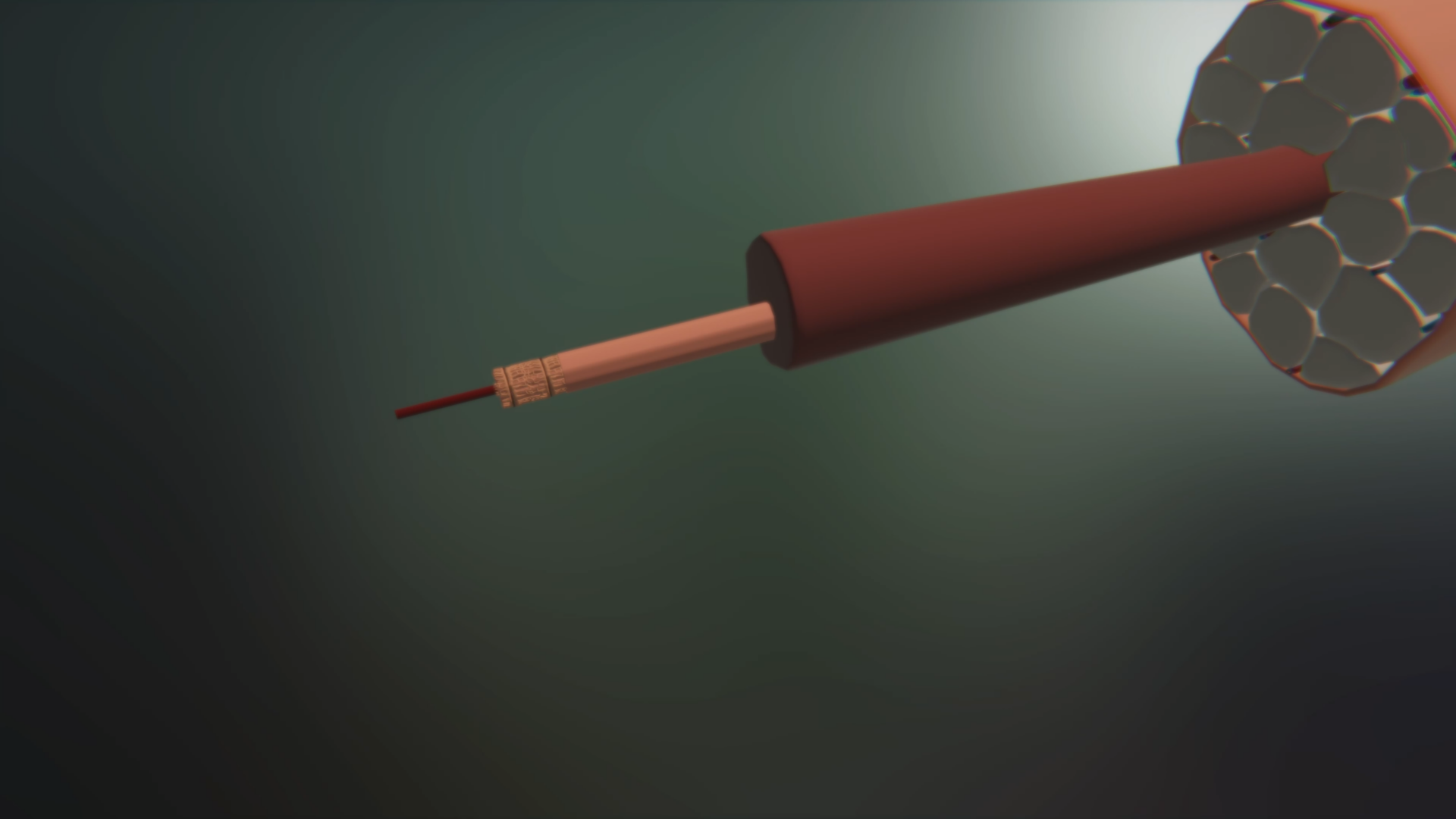
Moreover, the type of incidental trauma from running downhill (caused by eccentric braking and impact) is very different to the kind of mild damage caused by active tension in the working direction. And couldn’t this also be described as a form of mechanical tension?
Muscle damage induces inflammation and we have at least some evidence to suggest that this is a useful trigger for growth.
Segawa et al. (2008) found that suppressing macrophage function leads to incomplete muscle regeneration (11). And interleukin-6 (IL-6) is considered a key trigger for hypertrophy specifically, not just healing. This works by activating JAK2/STAT3 pathways in satellite cells (which we’ll see later can potentially be increased via metabolic training, usefully!).
IL-6 deficiency abrogates satellite cell proliferation and myonuclear accretion by impairing STAT3 activation (12). LIF and IL-6 knockout mice showed impaired hypertrophic response to overloading, accordingly, as reported in a separate 2013 review (13).
This review states:
“Skeletal muscle produces and releases significant levels of IL-6 after prolonged exercise and is therefore considered as a myokine. Muscle is also an important target of the cytokine. IL-6 signaling has been associated with stimulation of hypertrophic muscle growth and myogenesis through regulation of the proliferative capacity of muscle stem cells.”
The same review notes that acute IL-6 from the working muscle is pro-hypertrophic but chronically elevated IL-6 is detrimental to muscle growth.
The answer proponents of the tension-only viewpoint might argue that damage is not necessary for this inflammation to occur. But even if this is the case, we know that damage can cause the release of IL-6.
So, it is absolutely not a stretch to believe certain types of low-level damage would encourage a hypertrophic response.
Of course, too much inflammation is bad. Chronic inflammation is bad. You can trigger some inflammation without actively chasing muscle damage and, for the record, I don’t think chasing down excess damage is a good idea. But it is simply false to say that muscle damage definitively has no role in hypertrophy.
And too much of anything is not good. It’s also true that too much mechanical tension will cause CNS fatigue and long recovery times. All of this is dose dependent.
Blurry Definitions
What we’re seeing is that this is not a binary: many of the signals that we call “mechanical tension” involve some form of “damage.”
For example, disruption to the bilipid layer is often considered an example of the kind of mechanotransductive signalling that triggers the cascade of downstream events leading to muscle building… but we could certainly reinterpret this as a form of damage. In short: the distinction between damage and tension is more blurry than many assume.
Note that this very same disruption to the bilipid layer can potentially be caused by swelling of the muscle. If a muscle swells enough, that puts tension on the cell, which can trigger the kind of disruption that gets read as mechanical tension.
See how all of these mechanisms overlap? And how they can potentially work synergistically? See how it is almost impossible to tease them apart linguistically, let alone mechanistically?
This is true in a practical sense, too. How can you apply stress to a muscle for a prolonged period with zero metabolic build up and guaranteeing no muscle damage? How would you train that way, even if it were desirable?
But it’s also true when it comes to measurement, which is why it’s such a mistake to make sweeping claims on the basis of these studies.
Know Enough to Know What You Don’t Know
While there’s good evidence for mechanical tension as a primary driver for muscle growth, the evidence does not support completely dismissing muscle damage and metabolic stress.

So, why are so many people now claiming that metabolic stress and muscle damage are entirely irrelevant?
The reason this seems to have taken off so much is as a knee-jerk reaction to the overly simplistic “microtears” model we were all taught at school, and as support for the “strength rules all” position that gets promoted by the powerlifting crowd.
That, and the overly-confident phrasing of the 2025 ScienceDirect review.
But we’ve been down this road before.
Ten years ago science-bros would have argued just as hard that microtears were the only true driver of muscle growth. Keeping an open mind and training with common sense is essential.
I like lifting heavy, too. But powerlifting is turning into a bit of a cult online and people will run with anything that supports the notion that max strength training is the answer to literally everything.
Even if it were true that mechanical tension was the only thing that mattered for growth, I would still recommend metabolic stress for training strength endurance, improving blood flow, increasing work capacity, encouraging recovery…
For fun…
And I’d recommend it because it creates an environment that allows you to engage the high threshold muscle fibre necessary for growth.
I’d recommend it because the long-term angiogenesis (increased blood flow) it supports will allow for greater work capacity, recovery, and growth when training for mechanical tension (14). And because increased blood supply correlates with increased satellite cell count (15), encouraging protein synthesis (seemingly encouraged by mild inflammation).
I’d encourage it for all the synergistic ways these work together to support even more hypertrophy and strength. Not just in the short term but over months and years of training — something studies seldom look at, at all.
And I’d encourage training for metabolic stress and muscle damage because you chase those things in the same way you chase mechanical tension. Because enough mechanical tension will cause some muscle damage.
These factors are not really separable, mechanistically. They’re definitely not separable, practically.
References
- Schoenfeld, B.J. (2010) ‘The mechanisms of muscle hypertrophy and their application to resistance training’, Journal of Strength and Conditioning Research, 24(10), pp. 2857-2872. https://journals.lww.com/nsca-jscr/fulltext/2010/10000/the_mechanisms_of_muscle_hypertrophy_and_their.40.aspx
- Schoenfeld, B.J. (2012) ‘Does exercise-induced muscle damage play a role in skeletal muscle hypertrophy?’, Journal of Strength and Conditioning Research, 26(5), pp. 1441-1453. https://journals.lww.com/nsca-jscr/fulltext/2012/05000/does_exercise_induced_muscle_damage_play_a_role_in.37.aspx
- Schoenfeld, B.J. (2016) Science and Development of Muscle Hypertrophy. 1st edn. Champaign, IL: Human Kinetics.
- Van Every, D.W., Lees, M.J., Wilson, B., Nippard, J. and Phillips, S.M. (2025) ‘Load-induced human skeletal muscle hypertrophy: Mechanisms, myths, and misconceptions’, Journal of Sport and Health Science, 15 (2026), 101104. https://www.sciencedirect.com/science/article/pii/S2095254625000869
- Centner, C., Wiegel, P., Gollhofer, A., et al. (2019) ‘Effects of blood flow restriction training on muscular strength and hypertrophy in older individuals: a systematic review and meta-analysis’, Sports Medicine, 49(1), pp. 95-108. https://link.springer.com/article/10.1007/s40279-018-0994-1
- J.G.A. Bergamasco, D. Bittencourt, D.G. Silva, et al. (2025) ‘Individual muscle hypertrophy in high-load resistance training with and without blood flow restriction: A near-infrared spectroscopy approach’, J Sports Sci, 43, pp. 2157-2163. https://pubmed.ncbi.nlm.nih.gov/39675016/
- D.F. Valério, A. Castro, A. Gáspari, R. Barroso (2023) ‘Serum Metabolites Associated with Muscle Hypertrophy after 8 Weeks of High- and Low-Load Resistance Training’, Metabolites, 13, p 335. https://pubmed.ncbi.nlm.nih.gov/36984775/
- Y. Oishi, H. Tsukamoto, T. Yokokawa, et al. (2015) ‘Mixed lactate and caffeine compound increases satellite cell activity and anabolic signals for muscle hypertrophy.’, J Appl Physiol, 118, pp. 742-749. https://pubmed.ncbi.nlm.nih.gov/25571987/
- S. Oda, N. Maeda, S. Arima, et al. (2023) ‘Acute muscle swelling and muscle hypertrophy are associated with resistance training to the peroneus muscles’, Gait Posture, 106 (Suppl. 1), pp. S142-S143. https://www.sciencedirect.com/science/article/abs/pii/S0966636223011931
- H. Crossland, A.A. Kazi, C.H. Lang, et al. (2013) ‘Focal adhesion kinase is required for IGF-I-mediated growth of skeletal muscle cells via a TSC2/mTOR/S6K1-associated pathway’, Am J Physiol Endocrinol Metab, 305, pp. E183-E193. https://pubmed.ncbi.nlm.nih.gov/23695213/
- Segawa, M., Fukada, S., Yamamoto, Y., et al. (2008) ‘Suppression of macrophage functions impairs skeletal muscle regeneration with severe fibrosis’, Experimental Cell Research, 314(17), pp. 3232-3244. https://pubmed.ncbi.nlm.nih.gov/18775697/
- Serrano, A.L., Baeza-Raja, B., Perdiguero, E., Jardí, M., et al. (2008) ‘Interleukin-6 is an essential regulator of satellite cell-mediated skeletal muscle hypertrophy’, Cell Metabolism, 7(1), pp. 33-44. https://pubmed.ncbi.nlm.nih.gov/18177723/
- Munoz-Canoves, P., Scheele, C., Pedersen, B.K. and Serrano, A.L. (2013) ‘Interleukin-6 myokine signalling in skeletal muscle: a double-edged sword?’, The FEBS Journal, 280(17), pp. 4131-4148. https://febs.onlinelibrary.wiley.com/doi/10.1111/febs.12338
- Snijders, T., Nederveen, J.P., Joanisse, S., et al. (2017) ‘Muscle fibre capillarization is a critical factor in muscle fibre hypertrophy during resistance exercise training in older men’, Journal of Cachexia, Sarcopenia and Muscle, 8(2), pp. 267-276. https://onlinelibrary.wiley.com/doi/full/10.1002/jcsm.12137
- Nederveen, J.P., Joanisse, S., Snijders, T., et al. (2018) ‘The influence of capillarization on satellite cell pool expansion and activation following exercise-induced muscle damage in healthy young men’, The Journal of Physiology, 596(6), pp. 1063-1078. https://pubmed.ncbi.nlm.nih.gov/29315567/