What is concentric-only exercise?
Concentric-only exercise is any exercise where you place significant resistance on the concentric, shortening, portion of a movement; but little to none on the eccentric, lengthening portion.
Still don’t get it? Consider walking up stairs, as an example. Here, you place your foot up a step, then you push through your legs to lift your body upwards. During this movement, you are shortening the glutes and the quads under resistance. But you don’t then step back down the step. You just repeat the movement on the other side, until you reach the top. You never lengthen the glutes and quads under resistance.
The same thing happens when climbing a rope (if you dismount at the top). This is a concentric-only movement for the biceps because the biceps shorten to flex the elbow until you reach up with the other hand and repeat.
And the same thing can happen if you approach exercise in a certain way. For example: if you do push ups explosively and then let your body “drop” back into the lower position, you will be doing a lot more concentric work than eccentric.
This is not truly “concentric-only” because you still need to use your muscle to decelerate (unless you slam onto the ground like a sea lion). However, we are certainly heavily emphasising the concentric portion and we can call it concentric-only as a short-hand.
SUPERFUNCTIONAL 3: SUPERMOVER - SPRING SALE!
Supermover is a program that builds an athletic physique and functional performance with short, accessible, & fun home workouts.
GET SUPERMOVER HERE!
Perhaps a more accurate name would be “eccentric reduced” training, or “concentric-emhpasis training.” Take your pick.
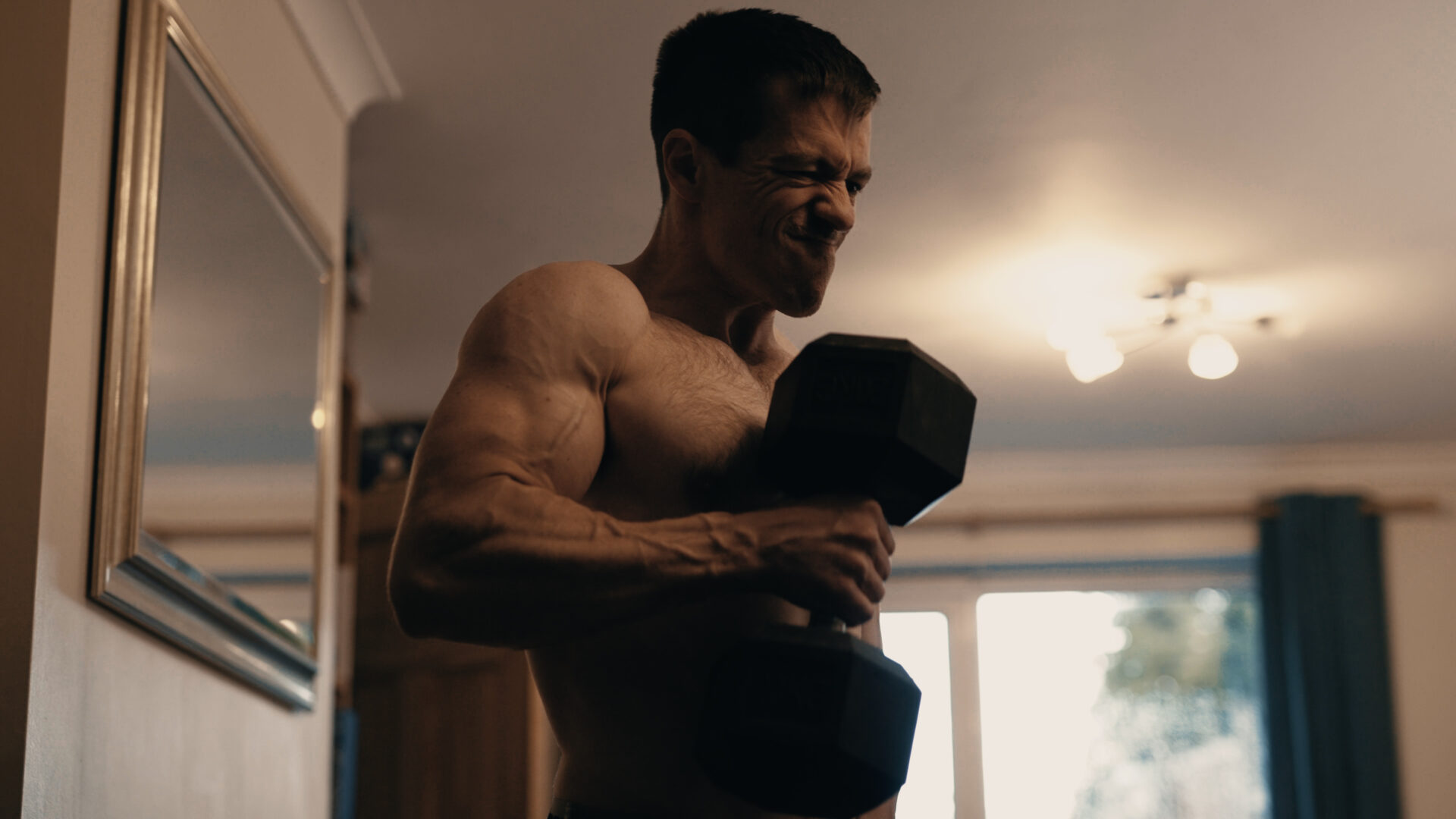
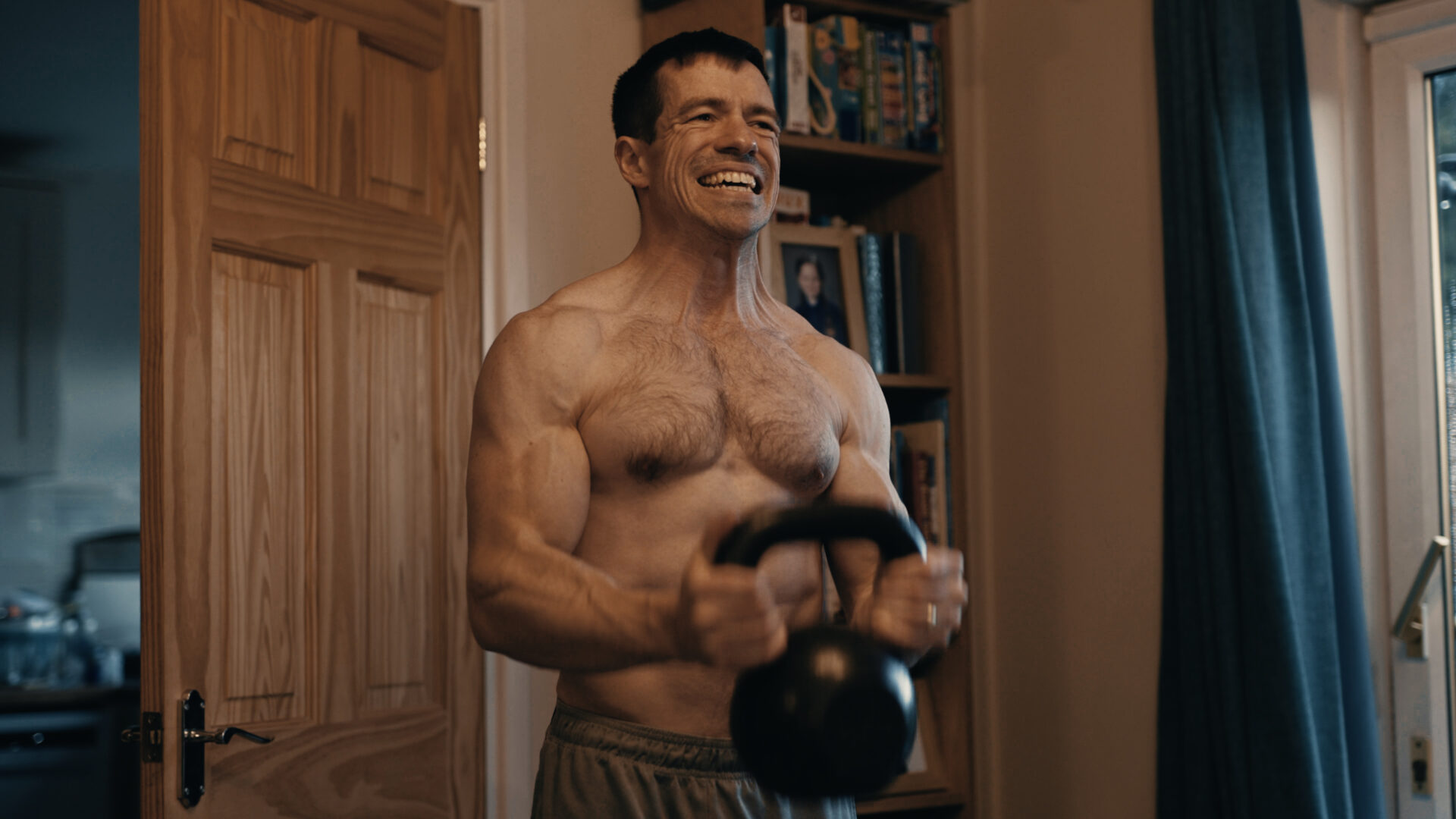
We can do the same thing with curls – especially hammer curls. Here, we muscle the dumbbell upwards and then just let it drop back in a controlled manner. Goblet curls are even better as the position of the arms naturally makes them easier to rep out, quickly.
Pull ups, air squats, step ups… A vast number of exercises can be performed in this way.
But why would you want to de-emphasize the eccentric portion of the movement in any exercise? Especially given that the eccentric portion of the movement contributes heavily to strength and hypertrophy?
Some lifters will advocate for intentionally lowering the weights as slowly as possible, to that very end. The precise opposite of what I’m recommending here!
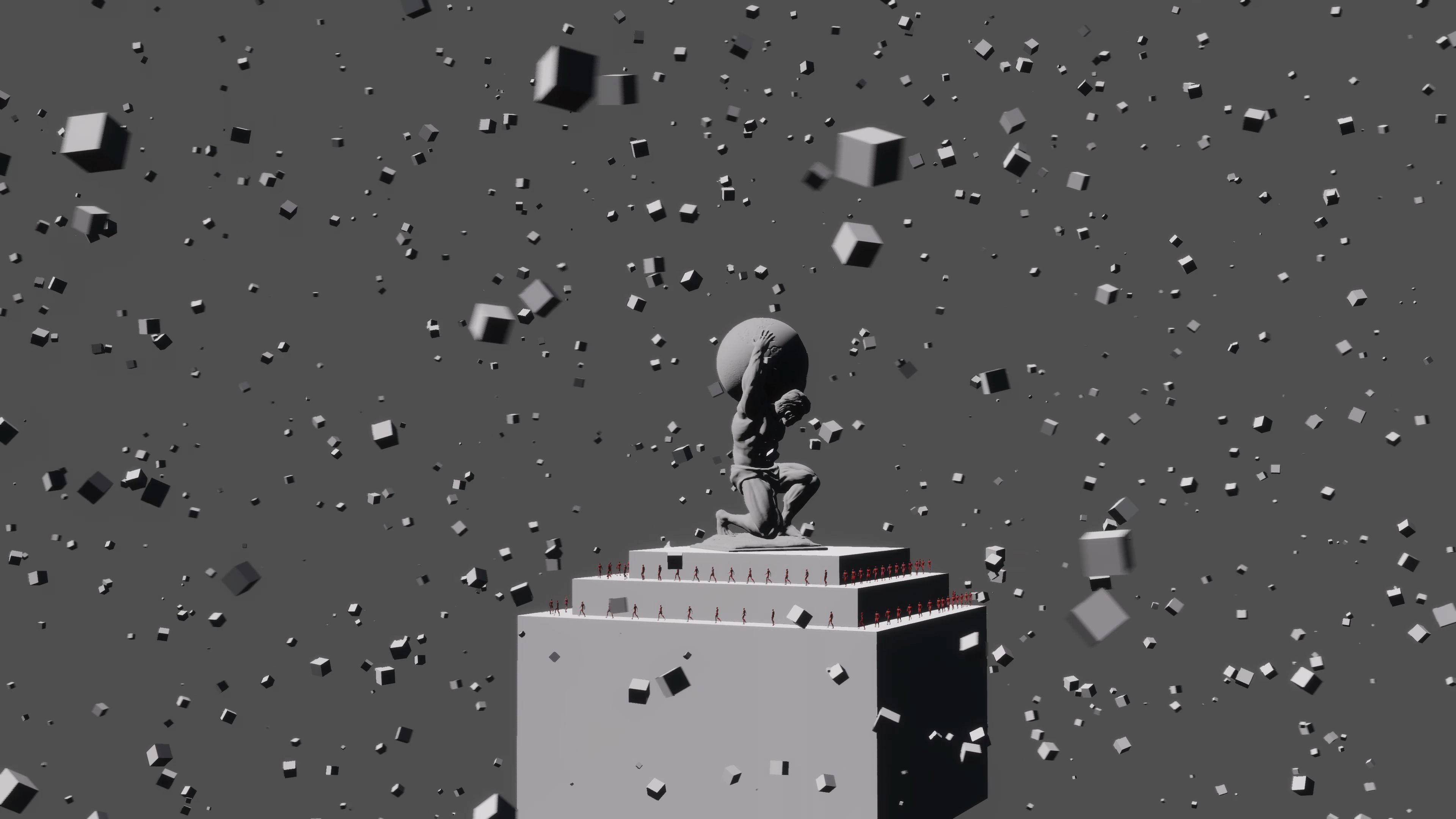
Well, the thing is, the eccentric portion of the movement also contributes a lot of muscle damage and increases recovery times. Lengthening under load disrupts sarcomeres and increases delayed onset muscle soreness (DOMS). Whereas training with purely concentric movements, theoretically, allows you to go again much sooner.
I remember reading about this in one of Ross Edgley’s books. He said he was able to train rope climbing almost every day because the concentric nature kept recovery so minimal (rope climbing being a true concentric-only movement). His arms, unsurprisingly, exploded in size.
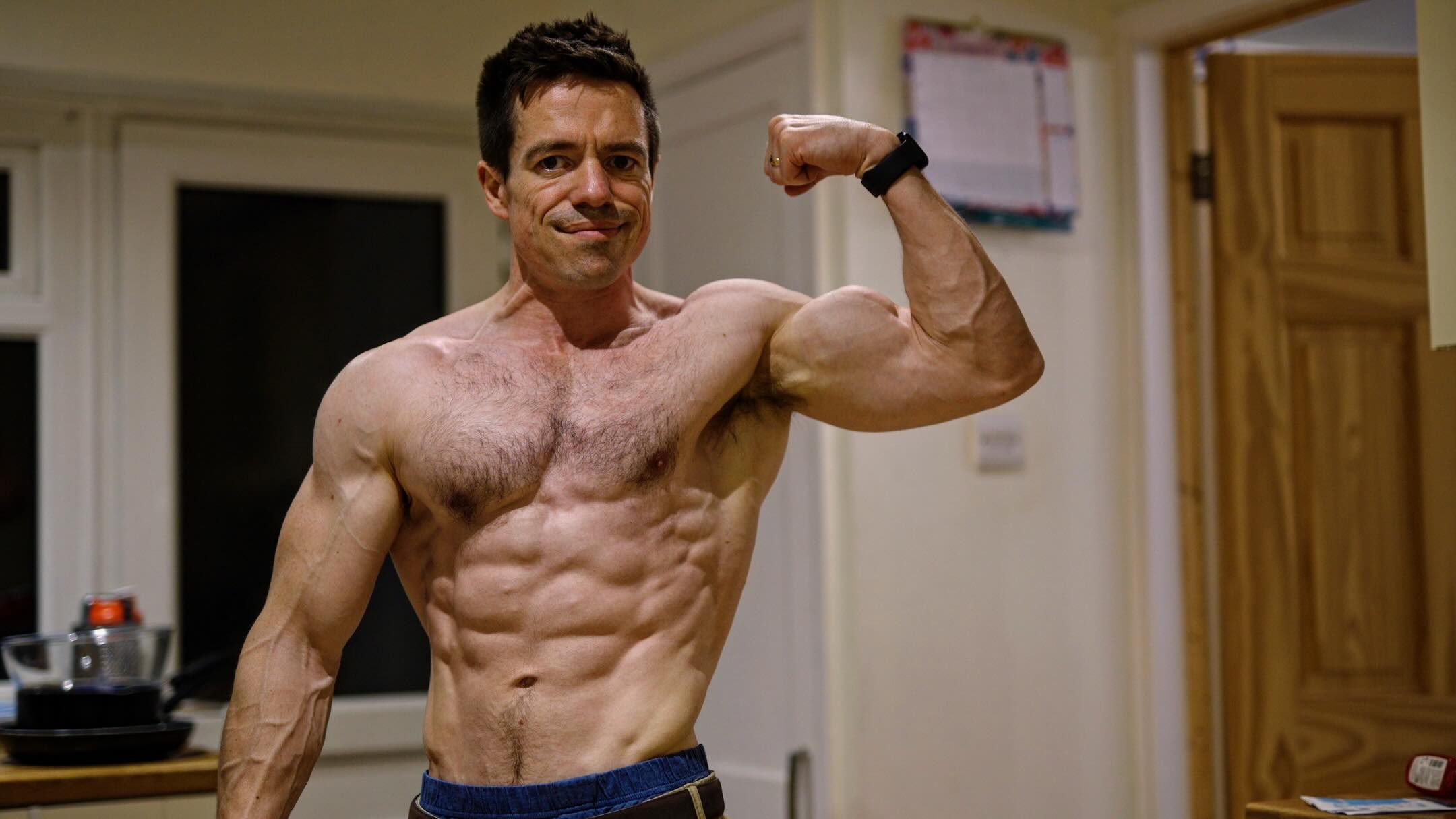
I decided to try something similar with goblet curls and my arms grew massively.
And this has always been my experience. I believe that training super-high rep push ups when I was younger was what built my chest, initially, and laid the foundation for me going forward.
Which is why it’s kind of annoying when people keep telling me that my physique is clearly from me secretly bodybuilding…
I’ve been doing this again, recently: training with high rep push ups, dips, goblet curls, bodyweight rows, pull ups, air squats, goblet squats, kickstand deadlifts, step ups, and more.
I also perform these movements with lighter weights, a rapid cadence, and often a short range of motion. All these factors conspire to provide a workout that’s much easier for me to recover from.
And I don’t do huge, gruelling workouts. I’ll just throw a few of these exercises together at a time.
This is what makes it possible for me to train so frequently throughout the day. This is why overtraining isn’t a huge issue for me.
For example, I recently decided to grow my lateral delts. In truth, these don’t tend to grow naturally from a lot of the types of movements I enjoy. They are stabilisers in movements like handstands and overhead presses but you rarely need to raise the arms out to the side under resistance.
I’m not completely immune to vanity and what I realised is that I could build the side delts extremely easily by simply taking some light dumbbells and repping out lateral raises for high reps. I can do it at any point during the day, multiple days a week, with no real recovery cost and no real downside.
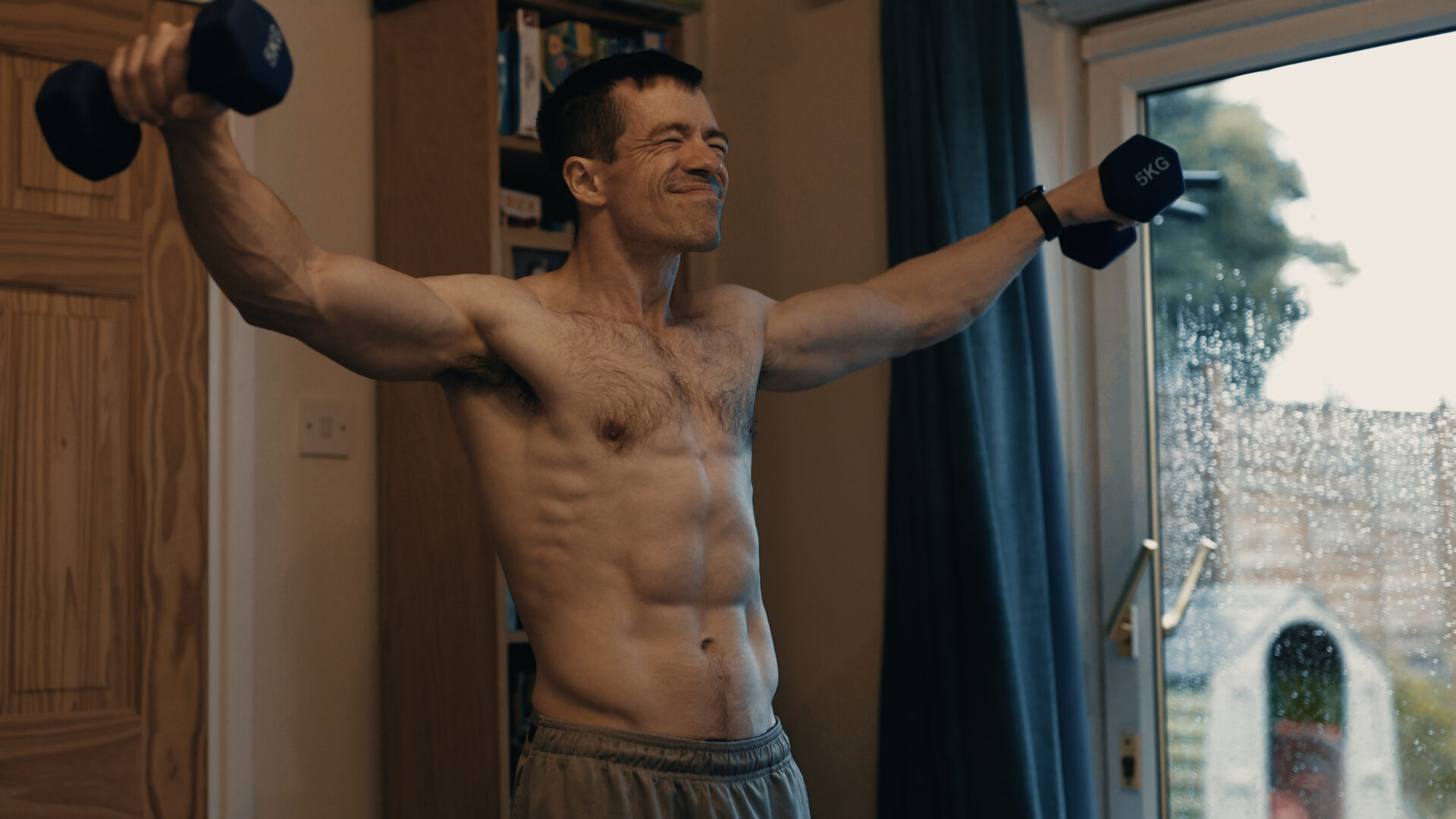
Don’t think that would do anything? That’s the thing: as long as you are feeling some of the pump in the right spots, it will. It’s not about how hard you work or how long you spend. You just need that stimulus – and that comes down to the mind-muscle connection. You may need to get into a slightly deeper stretched position. You may need to squeeze the muscle a little at the apex of the movement – whatever it takes to feel the muscle actually working.
So, I started adding 5kg lateral raises to the ends of many workouts and I started doing 10kg lateral raises during breaks in work at my office. And the results are definitely bigger side delts.
And I’ve seen this strategy work for countless other people.
Now, of course, there is still some recovery necessary. And you’ll probably build up to those numbers and the rapid recovery – you might find you’re sore for a few days when you first start this. Like anything, you need to let your body adapt.
But there isn’t the central nervous fatigue that takes days to recover from and leaves you fatigued. There isn’t the serious muscle pain that makes it hard to walk down stairs two days after your leg workout.
And ecccentric training is still very valuable. I’m not saying you need to do less of it, even. I don’t train every movement like this – I still “grind out” reps of front lever progressions – which I think has contributed to a lot of the recent size in my back.
I do normal rep ranges with things like overhead press and Bulgarian split squats. It’s about finding exercises that work for you and get results effectively, in rep ranges that work best. You don’t need to do all one style of training or all another style of training – especially as different muscle groups respond differently.
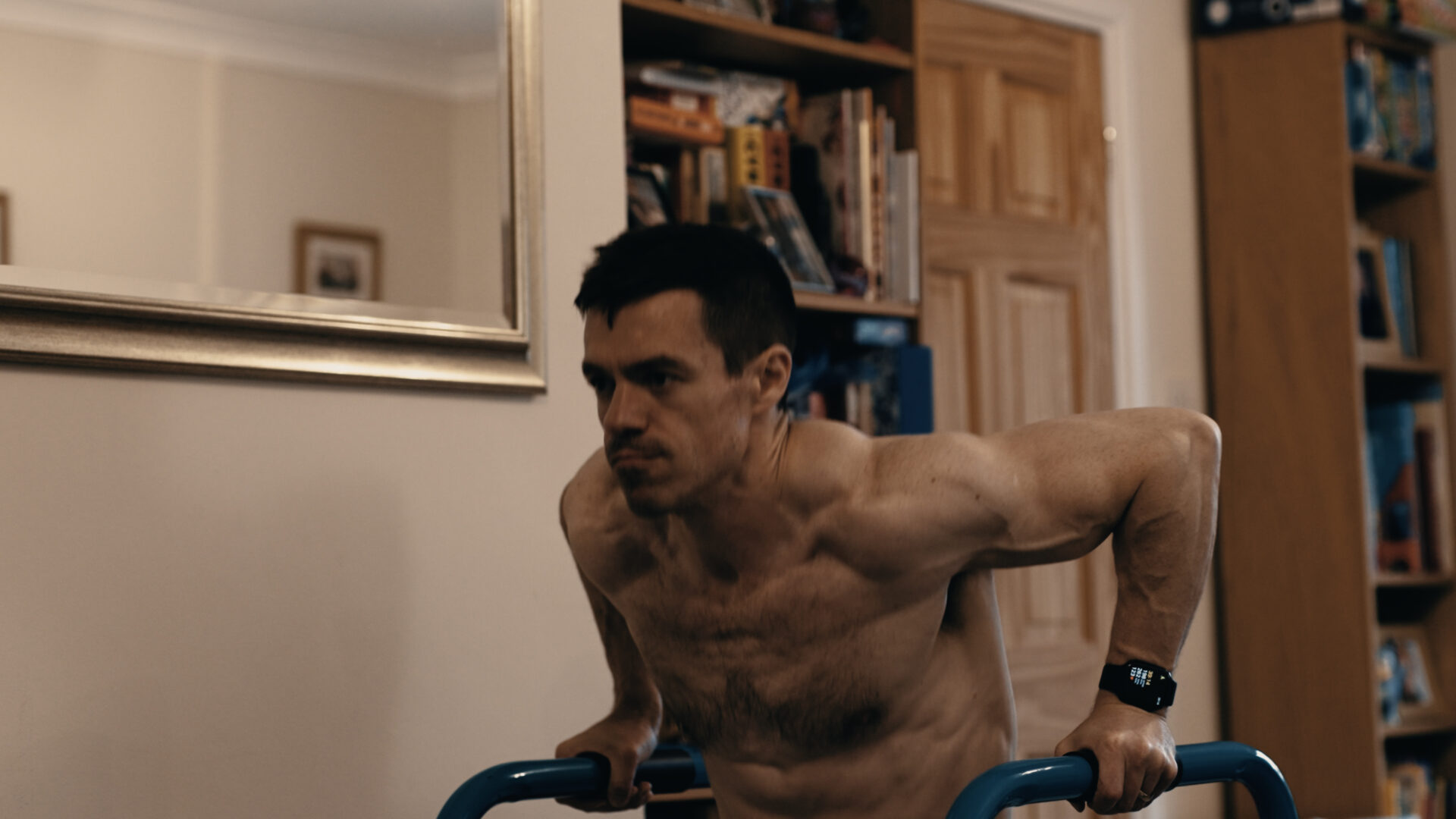
And you can even combine tempos: I’ll often do sets of the slow grinding front lever progressions and follow up immediately after with concentric-emphasis bodyweight rows.
I explain how to combine these different styles in my ebook and training program SuperFunctional Training 3: SUPERMOVER.
That’s the great thing about what I’m recommending – this concentric training is purely additive. It’s all extra.
The point is: you can do a lot more of the concentric training and get lots more from your workouts. Concentric training is also still able to stimulate muscle growth and strength gains on its own. It contributes to explosiveness and rate of force production. And strength endurance. And tendon strength. And, over time, it may improve bloodflow and recovery. I find it raises my heartrate more, aiding with body recomposition.
This approach allows you to drastically increase the frequency and volume of training.
And it means more movement. And more movement is always a good thing.