
Everyone knows that muscle is made in the kitchen but, as with so many things, I would say this statement requires a little more nuance.
In fact, it’s often more accurate to say that muscle is unmade in the kitchen.
In other words: it’s about eating in a way that complements the precise training you’re doing and the goals you have in mind – rather than following generic advice.

Especially if that advice is the same diet advice that you read in muscle mags from the 1970s!
Case in point: there is a very high chance that you might be eating too much protein for your goals. And this could mean not only that your muscle is hidden under an additional layer of fat, but also that you feel more tired and sluggish from digesting so much heavy food.
I myself recently cut all protein shakes and bars from my diet and haven’t made any specific effort to replace that protein – if anything, I’m also worrying less about getting tons of chicken and tuna.
SUPERFUNCTIONAL 3: SUPERMOVER - SPRING SALE!
Supermover is a program that builds an athletic physique and functional performance with short, accessible, & fun home workouts.
GET SUPERMOVER HERE!
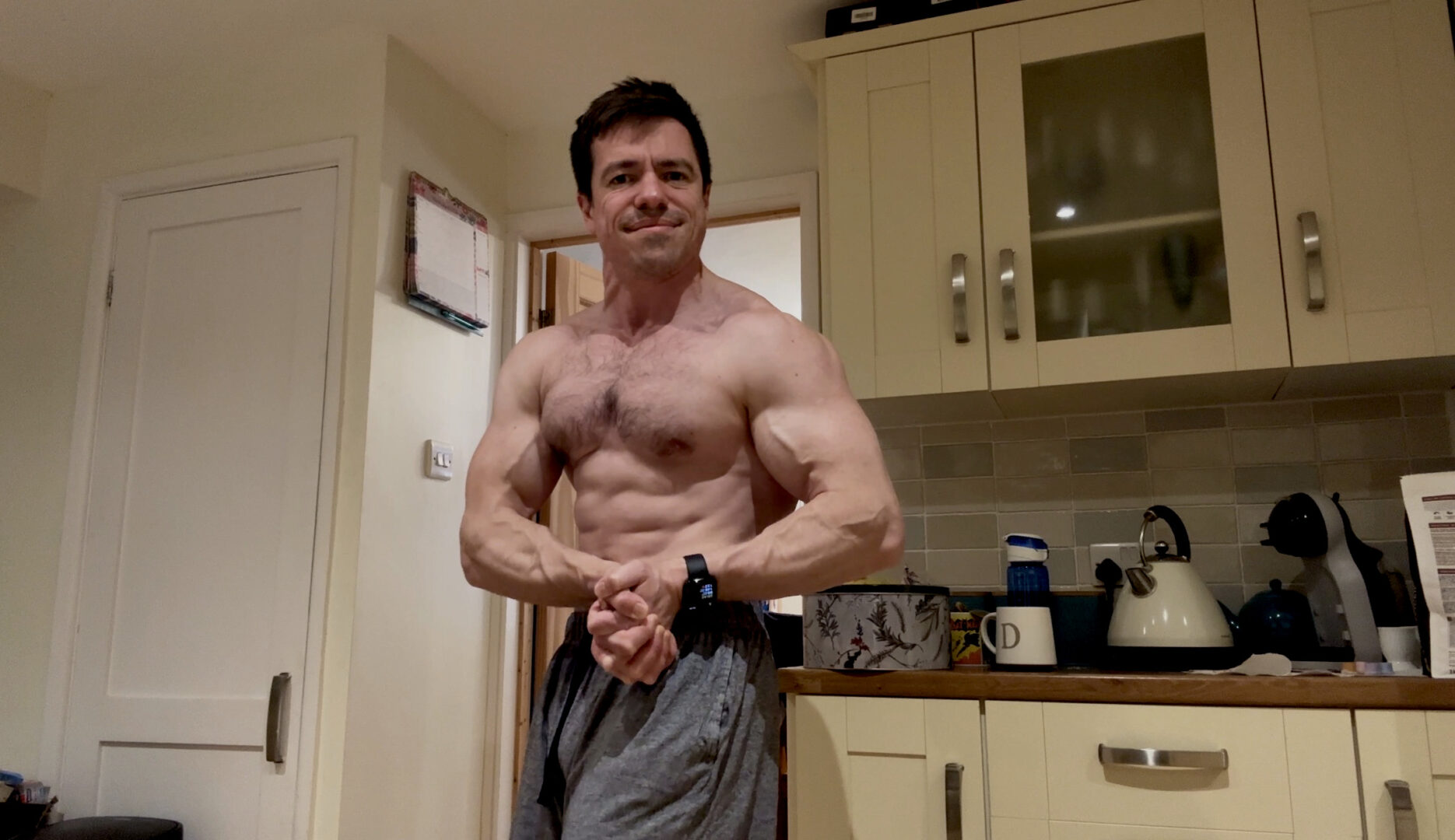
Not only have I kept all my muscle, but I look leaner, more toned, and more athletic. I also feel more energetic.
And I think that a lot of people would benefit from the same.
BUT this is not me saying that “protein is a scam” or that you don’t need protein to build muscle. You do, it’s just… well there’s that nuance again.
What the Research Says About Eating Less Protein
I’m someone who never managed to eat the old gram of protein per lb of body weight for very long. Even when that was my goal, I’d usually fall slightly short. This never really held me back.
And that tracks: more recent research suggests the target should actually be closer to 0.7grams per lb (reference). And that it’s actually more important to simply ensure you’re getting enough calories.
Again, this changes all the time, it varies from study to study and person to person. Point is: the recommendation may have been a little high for a lot of people.
And a lot of people have been speaking about this lately, especially on YouTube. Alex Leonidas , for example,has one of the best natural physiques on the platform and has spoken openly about how he not only dropped his protein by a huge amount – but did so on a vegetarian diet. All without losing any muscle.
This isn’t entirely a new concept, either. Mike Mentzer, for example, consumed far less protein than was recommended at the time or even now.
I’m not going to make the mistake of making any sweeping, definitive statements, here. New research will likely shed more light on these numbers again, in future. And, ultimately, the body is so complex and multifactorial that I doubt there will ever be a concrete “law” that we can all follow.
But you don’t need to worry about that, anyway. Whether you’re just starting out, or whether you’re a more experienced lifter – you can probably get away with simply eating less than the amount prescribed by most “lifting” channels, traditionally.
Allow me to explain…
Why Beginners Need Less Protein to Build Muscle
First, beginners: you guys can build muscle on a regular amount of protein as part of a balanced diet. When influencers say you simply can’t build muscle without eating more protein, they’re exaggerating.
How do I know this? Because you already have muscle.
You can walk and jump and run, so you must be carrying at least some muscle. You have some bicep when you flex, even if it’s not much.
So, right away, it’s erroneous to talk in terms of “can build muscle” or “can’t build muscle.”
The question now becomes: have you maximised the muscle you can build on your current diet? If the answer is no, then maybe you should try to get to that point before you add in a whole bunch of protein shakes and loads of extra calories.
And you might be surprised by how good you look and feel before adding any extra protein at all. By doing a body recomposition rather than a bulk or a cut.
The truth is that most people don’t need 16” biceps. Most people need 14” biceps with low body fat.
If you currently have 13” biceps and 20% body fat, then you may well be able to achieve an athletic and shredded look without adding lots of extra protein. You may be better served by cutting out empty calories and increasing your exercise, first.
Become a lean weapon by redistributing the nutrients in your current diet so that you can actually see the muscle you’re building. Many people will find that they look fantastic and build a decent amount of strength this way. Don’t stress about gettting X amount of calories per gram of bodyweight. Most guys will be fine if they aim to eat around 80-100 grams of protein.
After a while, if you aren’t gaining muscle as quickly as you would like to, you should consider gradually increasing your protein intake to facilitate further growth. This will support your strength goals and add more muscle. Once you’re happy with that new physique, do the same thing again.
This is almost like the opposite of bulking and cutting; it’s recomposing then gradually upping your intake. And I think it’s much healthier and more sustainable in the long term.
(It’s also a lot cheaper.)
You’re not consuming tons of waste. You’re not spending large amounts of time carrying fat you don’t need. And you’re not forced to eat protein shakes and bars that are packed with sugar.
Again, just to be ABSOLUTELY clear. Increasing protein rapidly certainly can help you to build muscle. The first time I started taking protein shake I ballooned very rapidly because I was doing the training to support that growth. But I was ripped before that point.
And I lost a lot of definition in the process.
If you’re in the very skinny zone, then, more protein is great as long as it’s in conjunction with increased calories. This is also true if you truly don’t care about having an aesthetic physique or athletic performance and ONLY want to pack on mass.
But if you’re “skinny fat” or just a bit flabby – like most people when they start out – you will likely find it much easier to maximise your current physique first. That means making the most of the diet you’re currently eating, or adjusting that diet with the emphasis on balance, nutrition, and a small calorie surplus.
For Experienced Lifters
So, newcomers to the gym can worry less about getting tons of protein. But I also suggest that the same could be beneficial for more experienced lifters – intermediates AND pros.
I stopped using protein shakes about two years ago because I found they were making me feel bloated and sick. This is a being-nearly-years-old-40 thing; I think my stomach just can’t handle them anymore.
I also can’t handle more than two cups of coffee a day. Damn I’m old.
I switched to protein bars. Trek bars, to be specific, which I really did like. But these are nearly 200 calories for just 9 grams of protein. That’s not a great trade off, so it’s no surprise I was looking a little flabby around the stomach.
So, I cut those both out. And while I’ll still try and add the odd can of tuna or egg to my diet, I’m not constantly stressing about hitting particular targets.
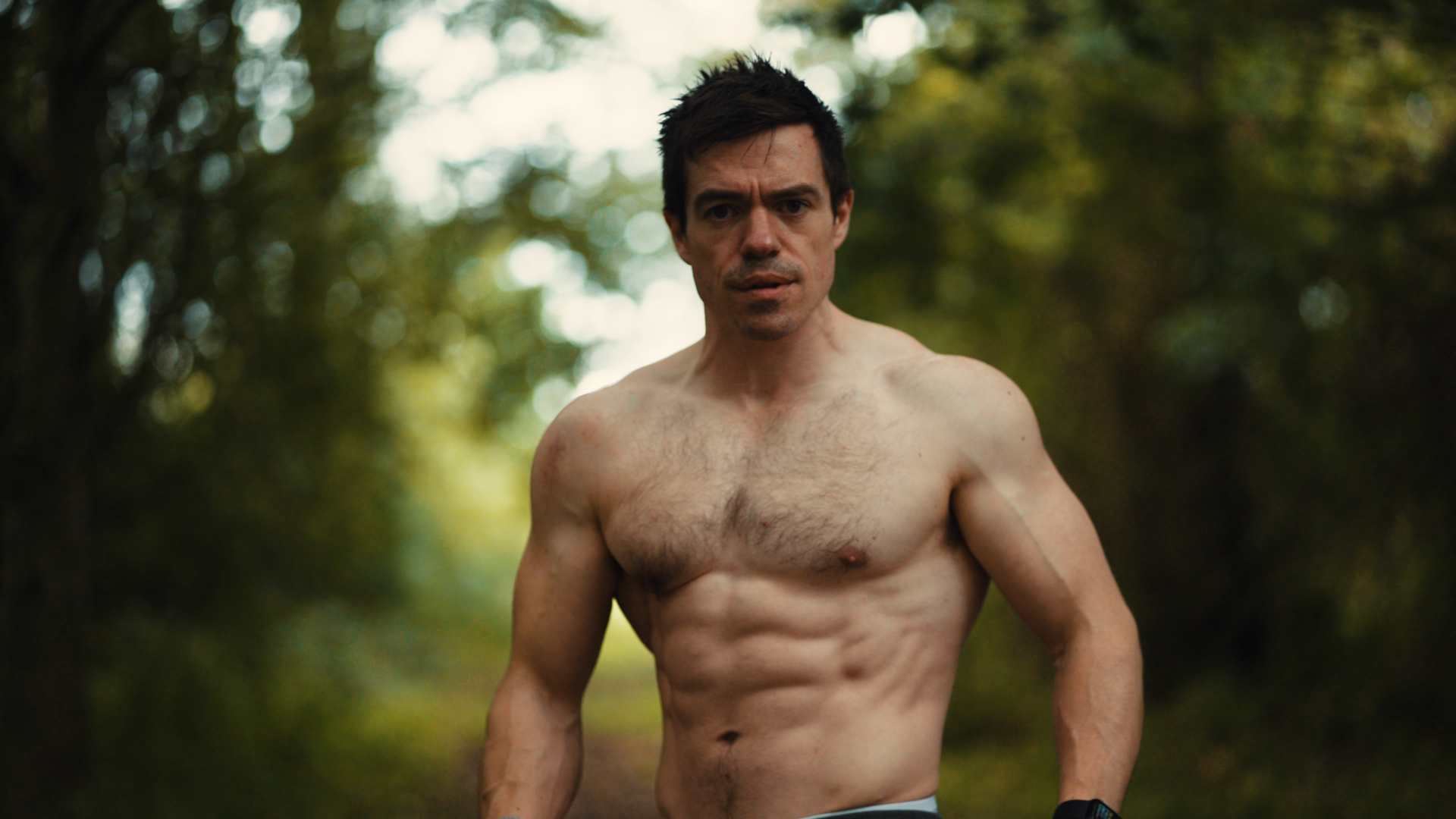
I feel lighter and bouncier. I’m more defined and I haven’t lost any muscle size. I’m just as strong and my calisthenics skills are benefiting from me being slightly lighter.
I had a similar experience when I was broke during my year in Leeds. When I could no longer afford protein shake and had to stop taking it, I got shredded.
And this makes sense. Maintaining muscle actually requires a lot less additional dietary protein than building muscle.
As long as I’m getting a normal, healthy amount.
As long as I’m not in a massive caloric deficit.
And as long as I’m getting a nutritionally balanced diet…
I can maintain my muscle just fine.
Maybe that’s not going to be good enough for most people who want to grow indefinitely, forever. But my biceps come in at around 16″ when I flex. My strength goals are more limited by technique and neural drive. And getting heavier will only hurt my ability to run and jump. I have more to gain in terms of both aesthetics AND performance by maintaining muscle mass, at this point.
If you’ve already built a good amount of muscle and you want to look great, I suggest you try doing the same thing. At least try reducing your protein intake slowly and see if there’s any difference.
Ask yourself: is it really worth the constant bulking and cutting just to gain a tiny bit of muscle each year? Especially considering that I do still seem to be growing, even without all the extra protein.
If you’ve been training for a while and you don’t look as good as you think you should, cutting back on the protein for a while might help you reveal the toned muscle you’ve built underneath.
I think constantly chasing growth is what muddies the waters for people trying to build an aesthetic physique. If you have a little muscle, why not stop packing on more size for now and focus instead on developing the max strength you can accomplish with what you’ve got? And also cutting away the fat to reveal the muscle that’s already there.
Maybe focus on some other aspects of physical performance (just saying…).
And this is much easier to do when you’re not guzzling 150 calories twice a day to meet an arbitrary protein requirement.
Reference

I love your content. I just had a question on whether or not you believe that seniors, due to anabolic resistance, should be consuming more protein?
I can’t tell you how helpful this is. Even female influencers like Stacey Simms and Gabrielle Lyon are pushing excessive protein, especially on menopausal women like me. And so I dutifully upped my protein, never having given it much thought before. Guess what? I now look puffier having gained weight round the midsection–when prior to this my weight had been pretty constant for 10 years on a vegan diet, having gained muscle and lost fat. So s*d the influencers and protein shills. Thanks for reminding me to trust my instincts. Awesome video on the channel and the article is an excellent adjunct to it!
Thank you! Glad it was helpful – same thing has happened to me in the past!
I have just come to a similar conclusion. I was doing a PSMF because of the supposed muscle sparing benefits. What actually happened was significant loss of LBM (not just glycogen). 8kg lost over 10 weeks, 50% of the weight loss was LBM (dexa confirmed). When I replaced 50% of the protein calories with carbs (100gm) I experienced much less muscle loss around 15%.
Turns out there’s quite a bit of science and research that backs up the theory of carbs being more muscle sparing than protein during calorie restriction and I had never heard it before. I guess ‘eat a balanced diet of fewer calories’ isn’t as sexy or profitable as extra protein has all these magical benefits or a PMSF.