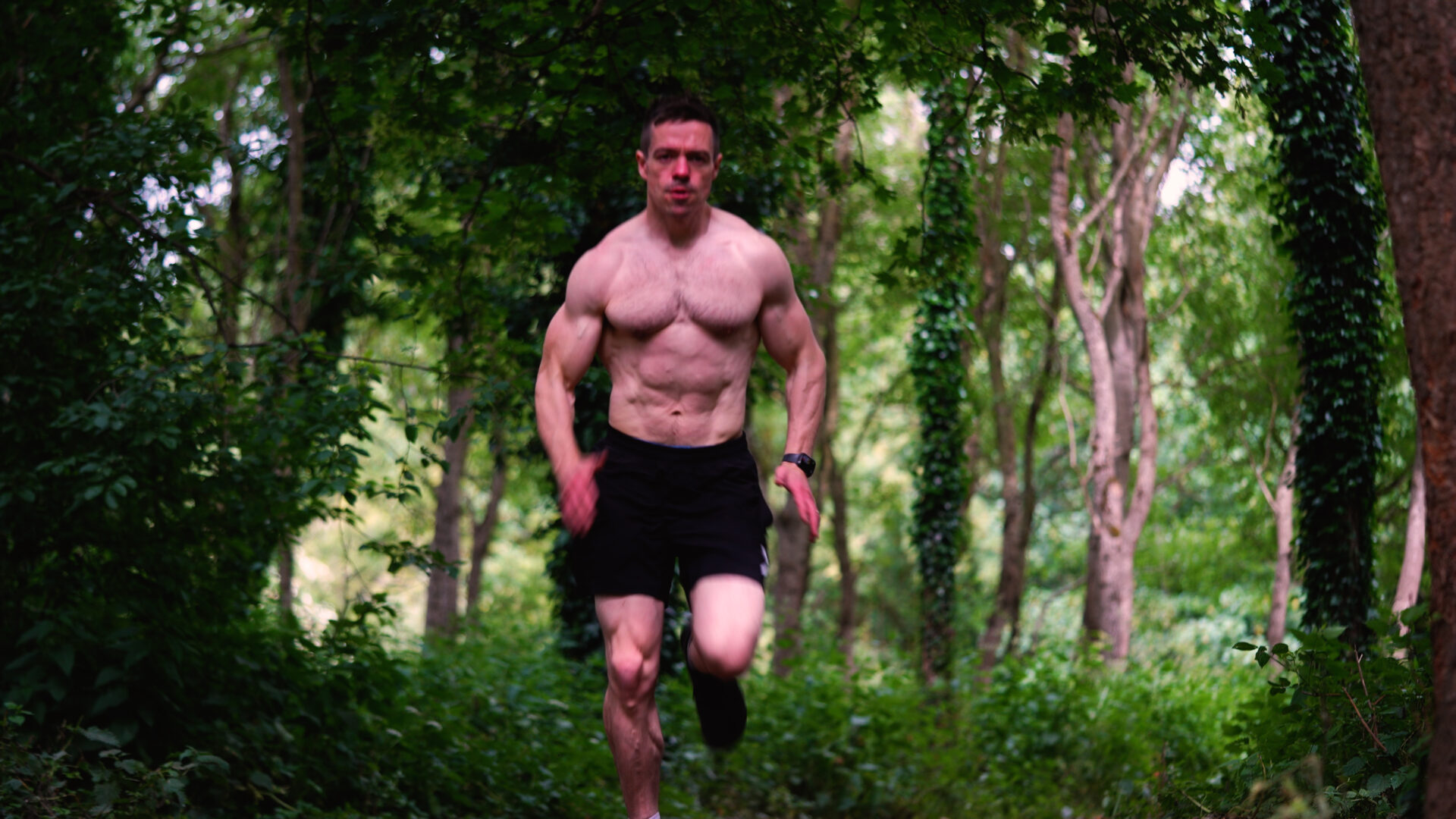
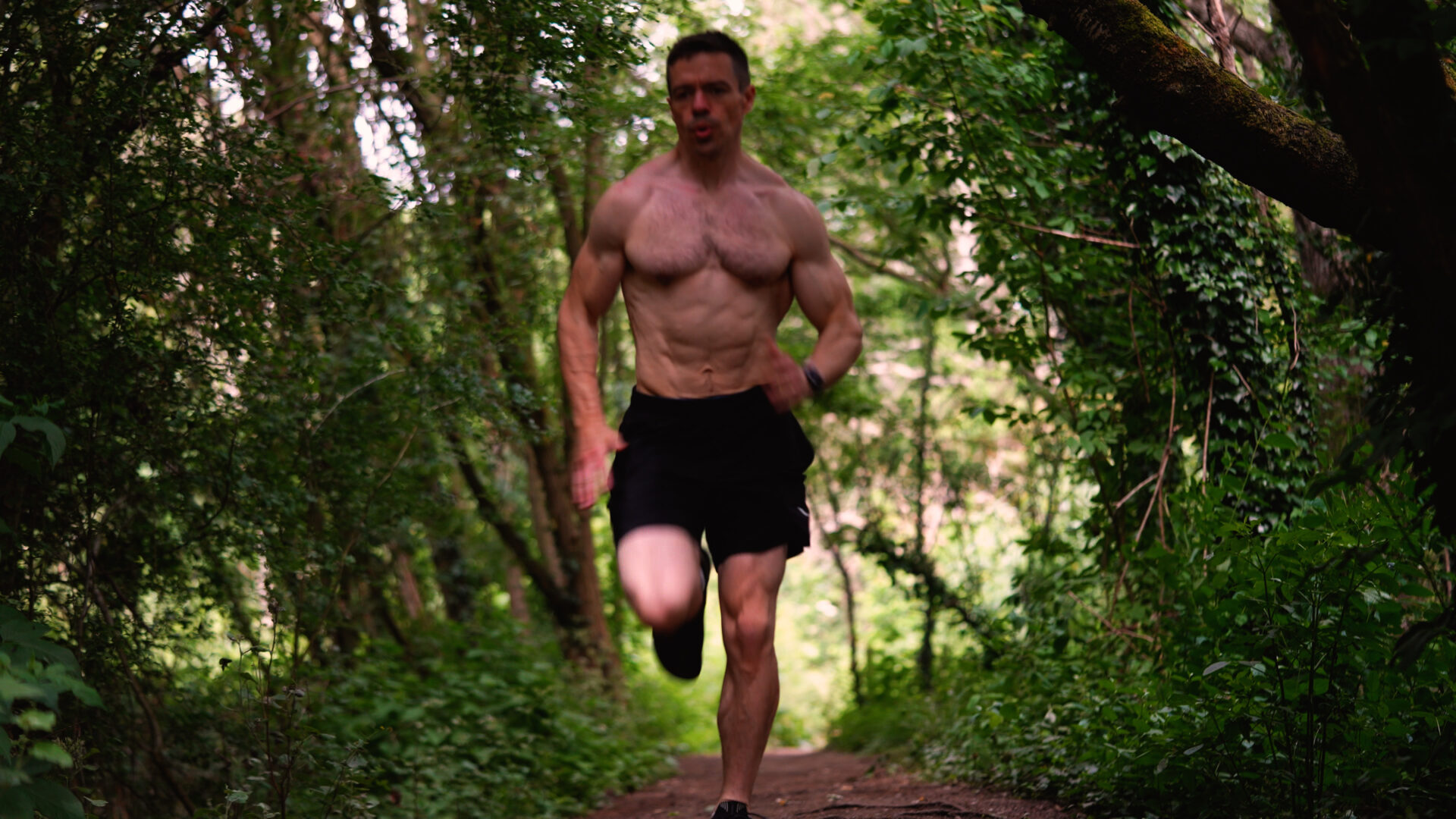
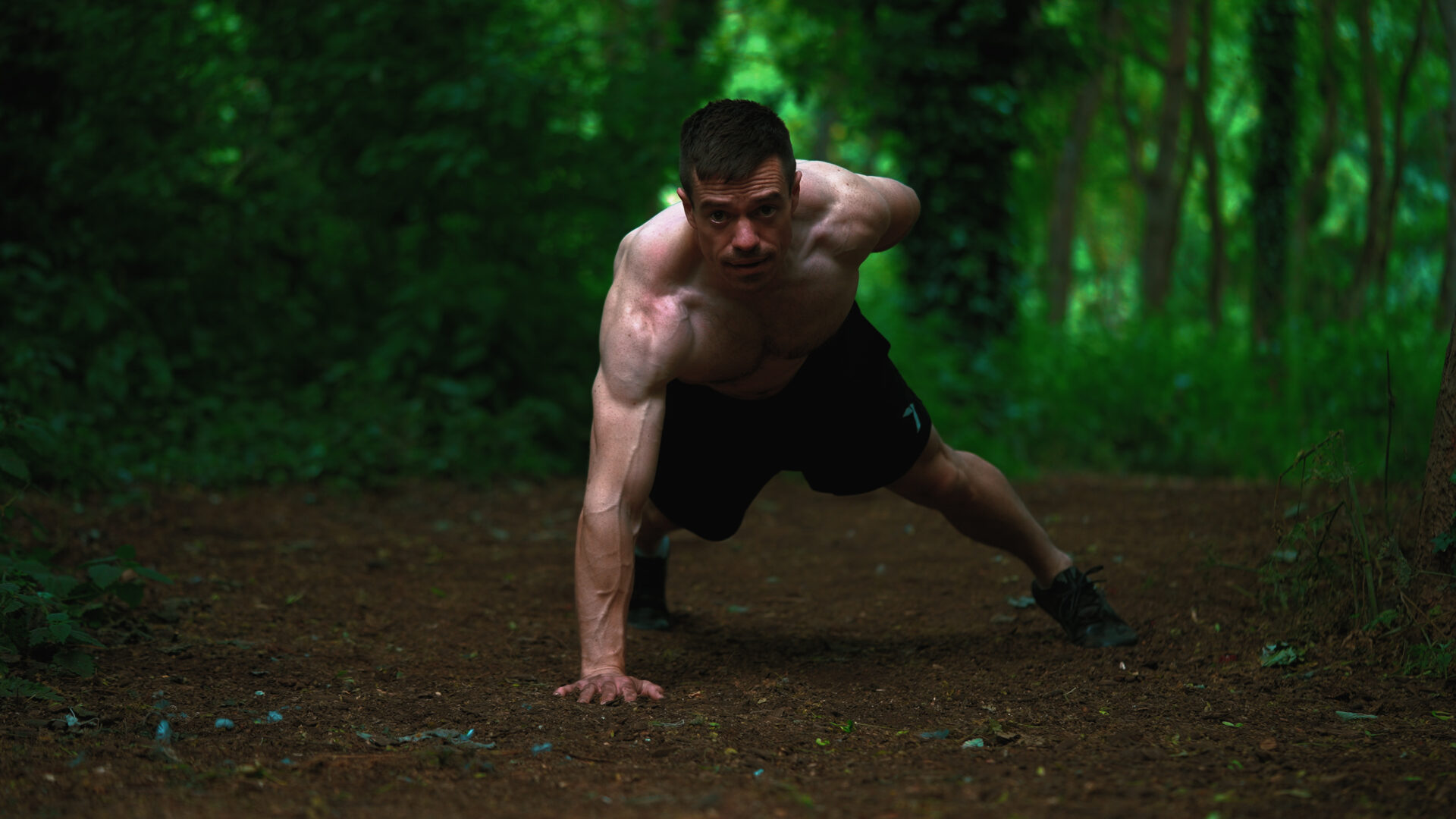
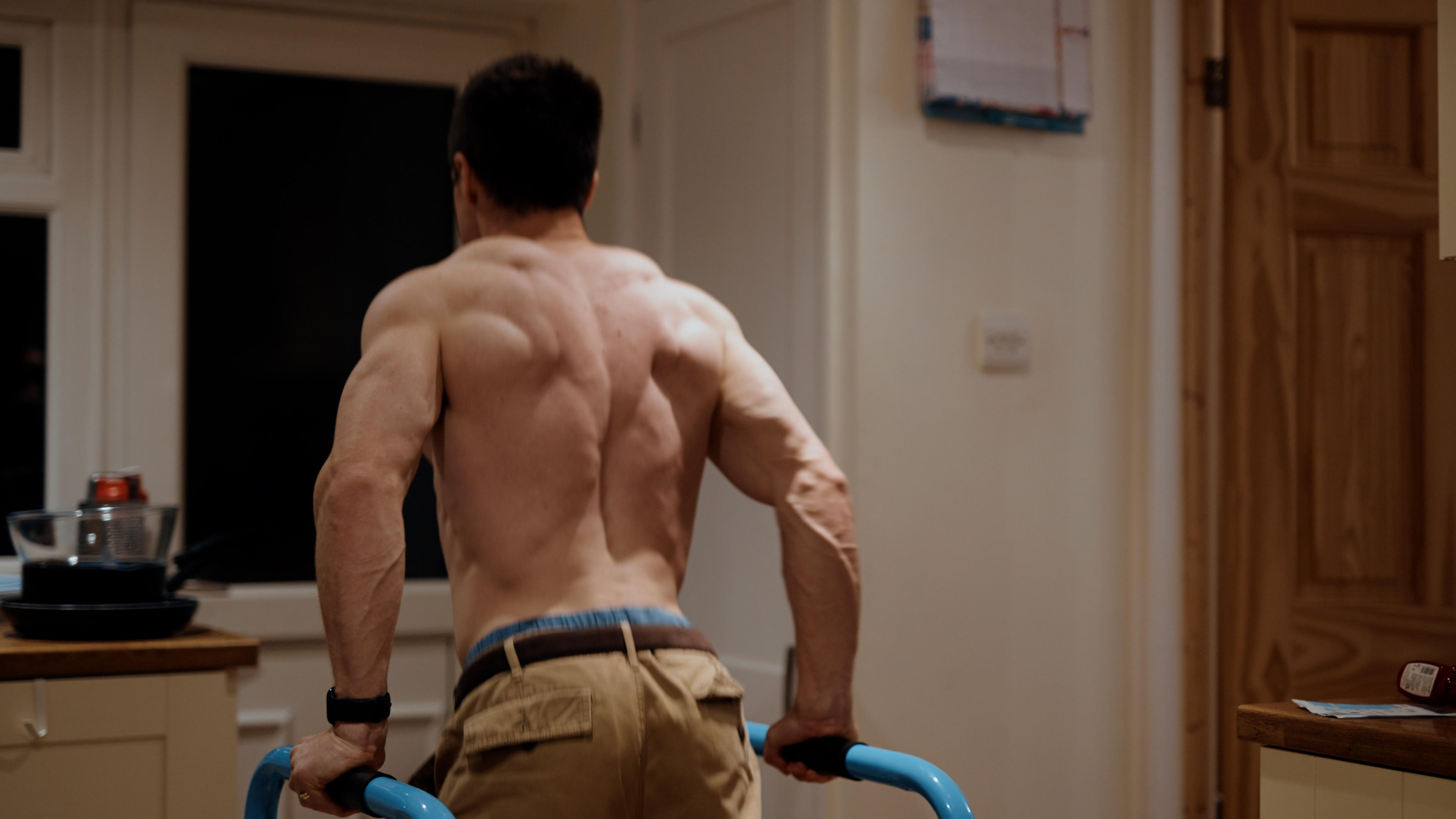
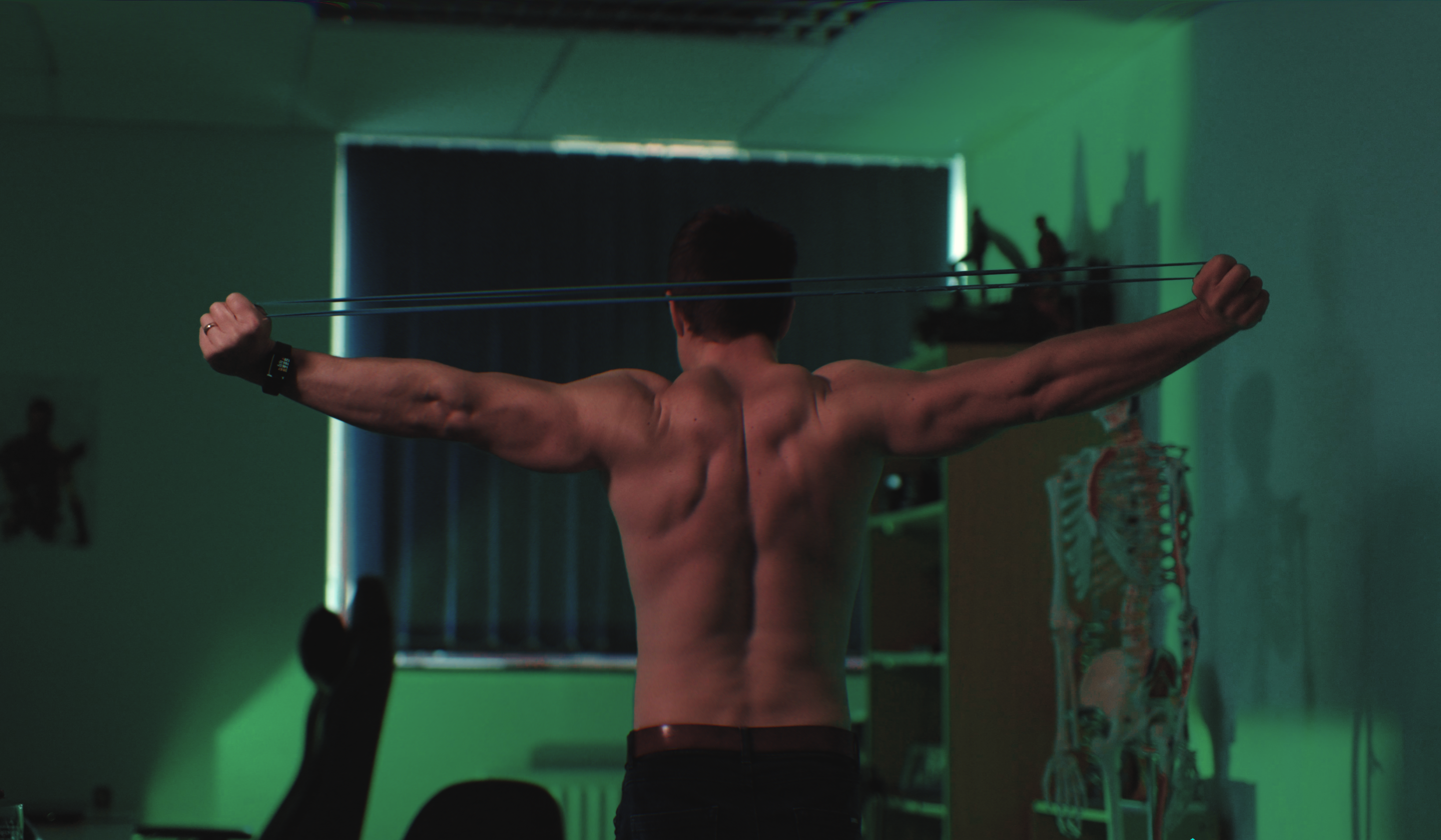
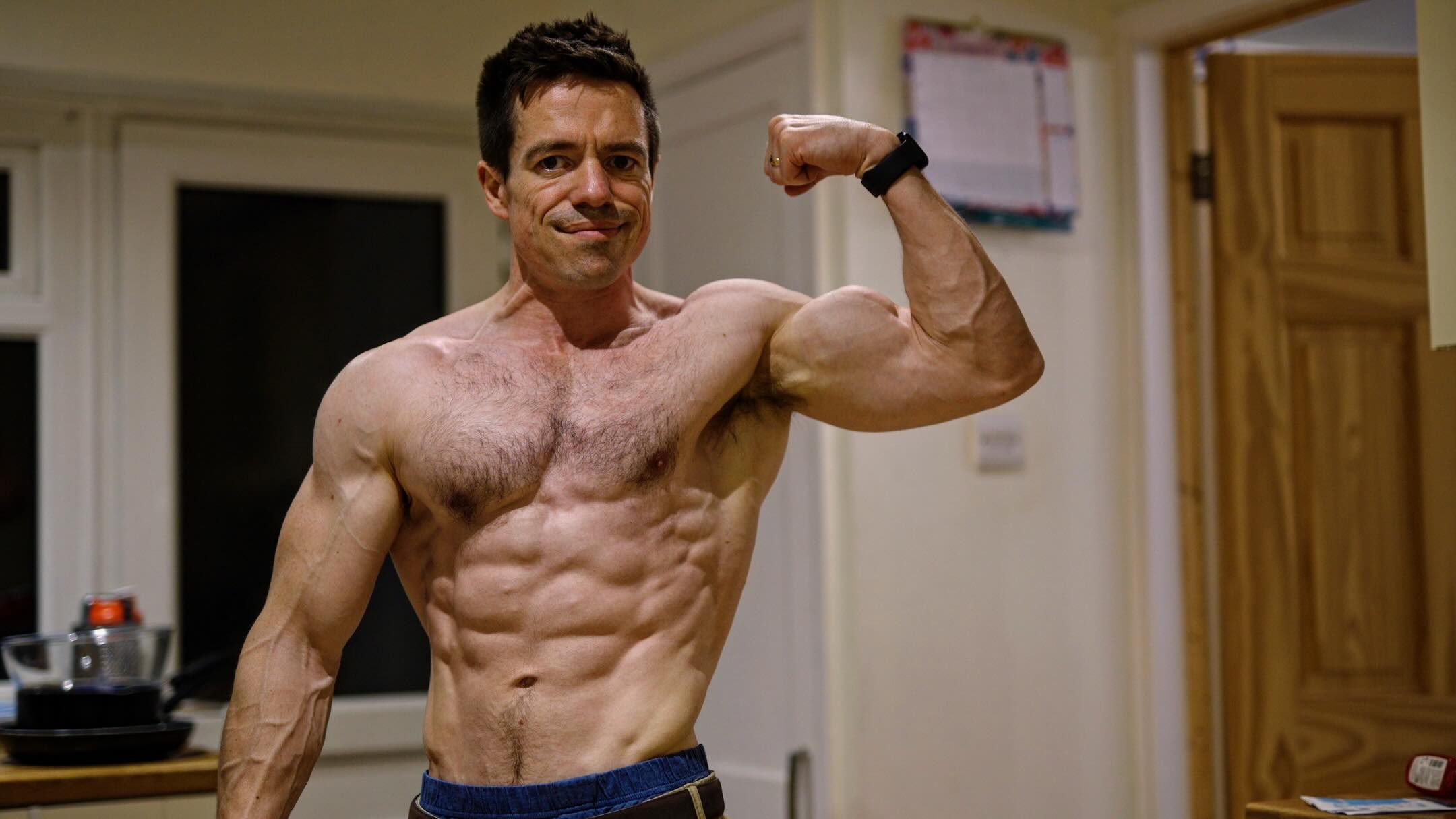
Lately, my physique has been a little more lean and shredded. This came at a time when I decided to focus even less on training for max strength and to instead focus on training from home with high rep bodyweight training, calisthenics skills, kettlebells, and some endurance work.
In other words: I decided to train more athletically and developed a more athletic physique. Shocker.
Except, when I’ve recommended this style to others looking for a similar physique, they’ve often come back with the same critiques:
“You didn’t build that muscle with Bodyweight, kettlebells, and logs. You did it with strength training.”
“Dude forgot how he built all that muscle.”
“There’s no way he got that physique with bodyweight training.”
SUPERFUNCTIONAL 3: SUPERMOVER - SPRING SALE!
Supermover is a program that builds an athletic physique and functional performance with short, accessible, & fun home workouts.
GET SUPERMOVER HERE!
“You did heavy weightlifting for years, went on a cut, then started selling functional bullshit.”
Some of those are more generous than others. And to be clear those comments are coming from the overwhelming minority.
But they still hurt…
And I understand where they’re coming from and how it might look.
Actually, though, it’s a huge mischaracterisation of my training journey to say I trained heavy weights for years and only just switched. And it’s a fundamental misunderstanding of what builds performance and a good physique to think that’s the only method for building an athletic physique.
(Also, just for the record, if I wanted to sell boat loads of programs I would just stick with bodybuilding or powerlifting, actually You think Jeff Nippard or Dr Mike would be as popular as they are if they told people to do cardio?)
Here’s the crux of the matter: I didn’t build “all this muscle” doing strength training then just get lean.
How it Started: With Home Workotus and Martial Arts
For starters: I actually began my training with calisthenics and light dumbbells. I used to do hundreds of push ups and a whole bunch of pull ups, chin ups, dumbbell curls, air squats, and sit ups. I also had a light, plastic kettlebell, which I got from God-knows-where.
My workouts weren’t optimised for muscle growth or max strength. I just worked out to be fit because that’s what you did. I didn’t eat any protein shake either, just my Mum’s wholesome German and Polish cooking.
On top of this, I did karate, capoeira, and tai chi, and I cycled about 8 miles most days. I was ripped, full of energy, and able to do a bunch of cool stunts. I had a jacked physique with big biceps and at 16 I won Bodybuilding.com’s Teen Bodybuilder of the Month.
And I should have just kept it at that!
Because, since then, I’ve yo-yo’d a few times between that kind of training and a greater focus on strength and hypertrophy. What you might call more “traditional” strength training.
When I lived in Leeds, and later in London, my flats were too small for my home workouts so I relied more on the gym and getting as strong as possible. But because I was moving so much less overall – and going out my way to eat tons of chicken and protein shake – I ended up looking pretty soft and feeling sluggish.
It was also during my time in London that I started getting my back issues. I sat for hours at a time during work hours and then spent most my time in the gym sitting or standing, too.
A traditional strength training program is ideal for those that don’t want to move all that much.
I carried on this approach when I got my own house – partly because it was what felt expected of me as a fitness YouTuber. This changed during Covid when I was forced to train purely from home and, again, I just got really jacked! That’s also when my channel took off – so I should have realised then that there was an audience for functional training without the massive strength component.
Another reason I included so much strength training at this time, was that I thought in order to train like Batman, I would need to max out everything. Max out strength, max out endurance, max out mobility.
(Even then, though, I trained for max bench press and built some big biceps and pecs… but I didn’t go crazy on squats or deadlift. This was mainly due to the aforementioned bad back.)
What I know these days, is that you need to find the optimal balance of those things. If Bruce Wayne were a real person, he would need to balance his training. He couldn’t prioritise everything. And at a certain point he would find that he had enough strength. That the amount of effort it would take to go from 180kg to 190kg on the bench press wasn’t worth it.
So, when I say that you can get a jacked and athletic physique without focussing on maxing out your strength; I speak from experience. I didn’t just cut down from a stronger build – I built the athletic look first. And I’ve been back and forth, subsequently.
I understand, of course, that my current build is a result of everything I’ve done in my training journey.
Breaking: Athletic Training Builds an Athletic Physique!
But even if I hadn’t seen first-hand that you can go straight to the athletic build, it still doesn’t make sense to add tons of mass and then cut away fat. Why not just add a little size more slowly and keep fat low at the same time?
It’s mad to think that you HAVE to get massive and bulky before you’re able to build an athletic physique. I mean, just look at athletes.
I’m not saying this is the best way to train if you want to be as big as humanly possible. But it doesn’t seem that unreasonable to say that if you want a more athletic physique, you should train in a more athletic manner. Why is that controversial? It’s because some people on the web want their strength training program to be the very best for everything.
It doesn’t work like that.
The key detail here, though, is learning how to stimulate the muscle. This is really the key that unlocks everything and it’s the big differentiator. You can be successful with any strategy if you learn this and you can fail with any strategy if you don’t.
It’s not about effort. It’s not about grind or pain or even gigantic volume. It’s not about progressive overload. You can honestly build a ton of muscle from home with just your bodyweight using three short workouts a week.
But you have to make sure that as you’re doing the push ups or the dips or the curls – you FEEL the target muscle working and you FEEL the stretch, or the tension, or the metabolic build up.
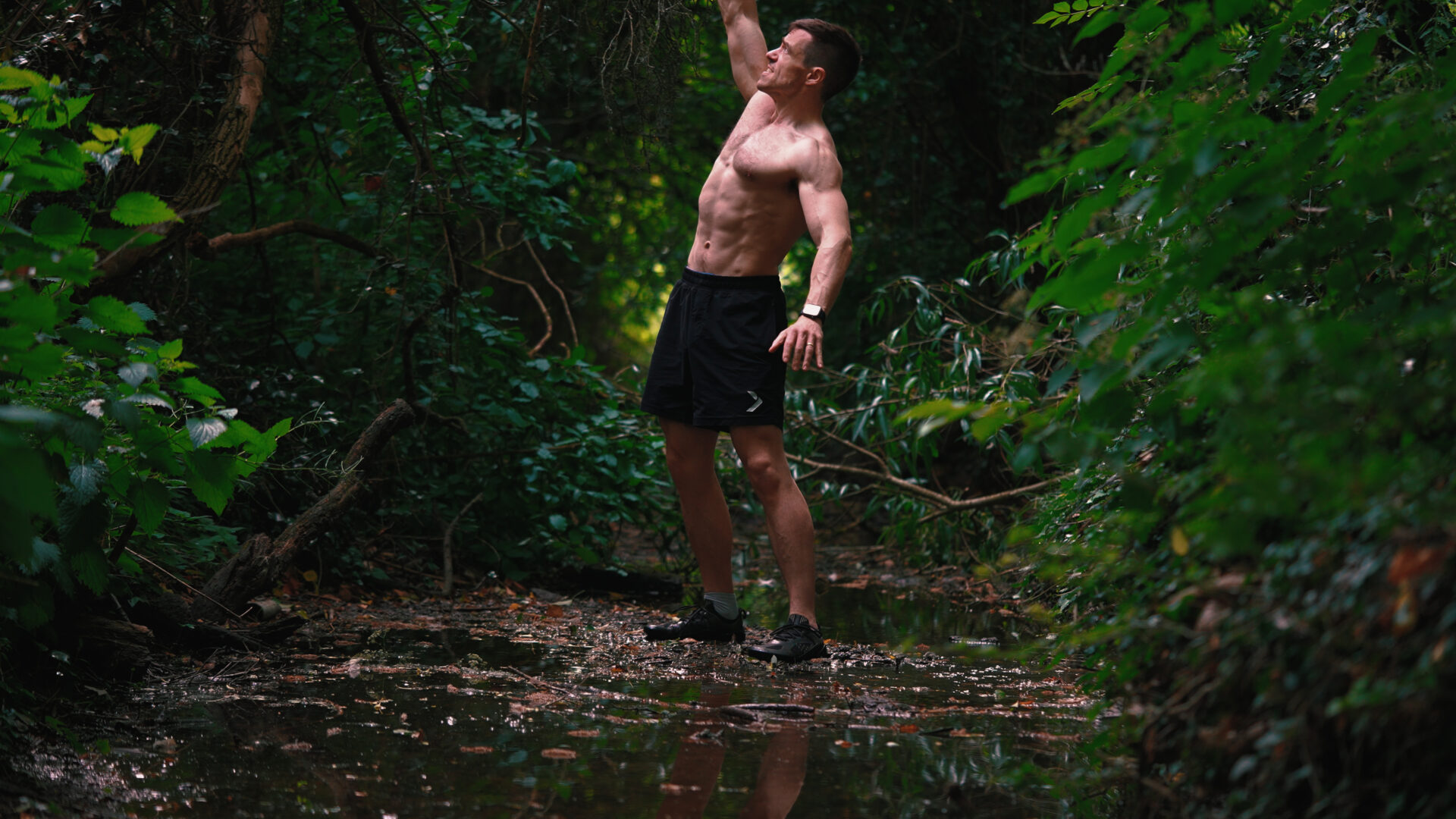
I can do a bunch of lizard crawls and get zero stimulus on my pecs. Or I can do them in such a way where I move into that position where I really feel them getting targeted.
This is a huge benefit of high rep training: it teaches you to recognise that feeling. You learn what it’s like to take a muscle to failure or to get the sensation of pump or burn.
Eventually you learned to generate that sensation extremely quickly with whatever is to hand. A kettlebell, a barbell, a pull up bar, or even a log or a rock.
If you’ve already got some experience, then there’s a chance you can do this already. Just try it: find a light weight or a bag of books and see if you can chase the same sensation with that.

SUPERMOVER – SuperFunctional Training 3
SuperMover offers a full training program, 200 page ebook, and 26 video tutorials to help you build an elite, athletic physique.
Once you can quickly feel that stimulus, you can train a muscle in just a couple of sets with no need to choose ten different exercises to get results. You don’t need to pile on so much weight it triggers a fight or flight response. You don’t need a week to recover. And you can do it anywhere with no commute.
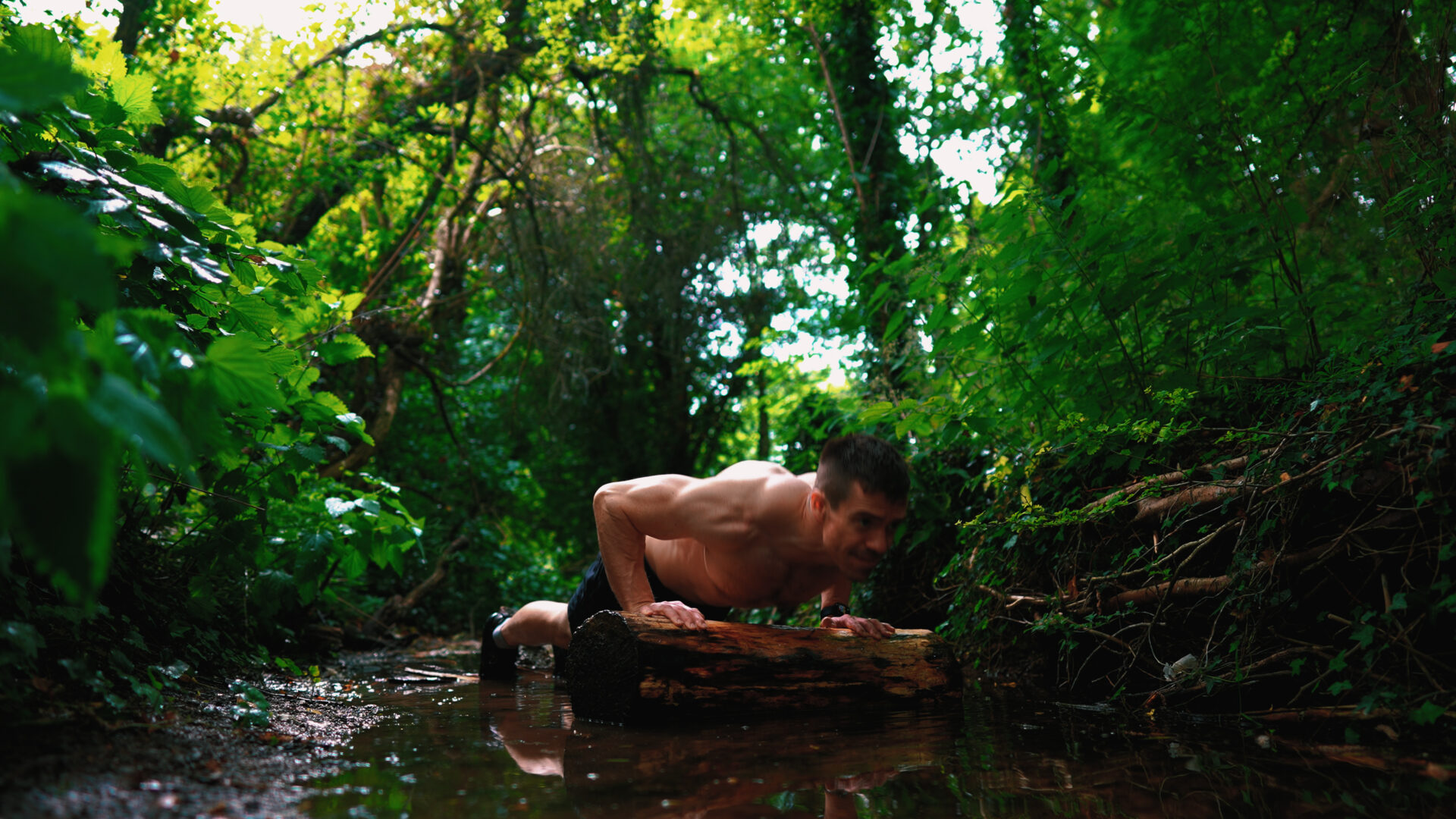
How do you progressively overload pressing a log, you ask? You don’t. You just use it until you feel some stimulus.
You can use that extra time and energy to do more reps, to do some sports, to just move more and to find that middle ground between building muscle and staying lean.
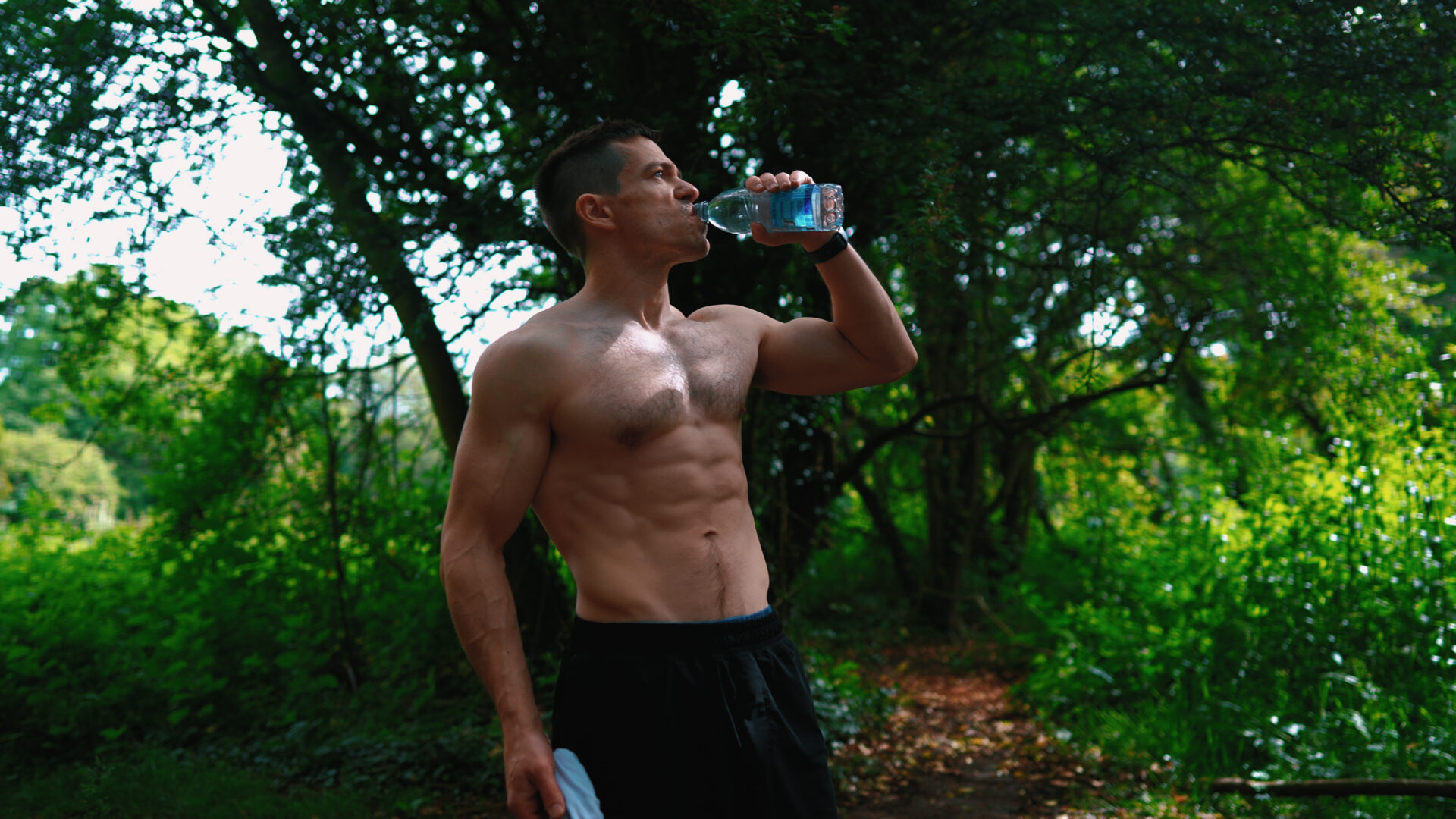
This way, you get straight to the look you actually want, instead of taking this weird detour. You don’t need to have huge muscle or world class strength – you just need a little more of each. And then you need to actually move so that you can see it.
Seeing as it can take years to add significant muscle, the alternative is to spend years working out without seeing a huge amount of change – possibly getting injured or burned out along the way.
And then what? You’re going to cut, look great for a bit, then bulk again?? Why?
That’s what was happening to me before I switched to increasingly home workouts. As a busy parent I would only get a few weeks of training before getting sick or hurting something. That’s inherent in the very nature of constantly trying to push your strength further. I felt tired most of the time.
It’s Not JUST Diet (But it Helps)
Those saying I look more ripped now because I’m eating less calories… I mean yeah, that’s partially correct. But that’s not actually what I was talking about: I’m talking about how much more consistent I had already been for the past year and a half. How much better I felt as a result. And how much better I already looked before I reduced calories.
Then it’s only more recently that I doubled down on this: decided to consume fewer calories and less protein even if it meant losing some strength. That’s what led me to getting this even more aesthetic physique. And feeling way better.
Dieting is something people struggle more with when they’re too focussed on strength.
And even then: the diet was just one part of it. I can still eat a decent amount because I’m doing workouts that burn a ton of calories.
Those people that said “you look better because you’re doing cardio, it’s not rocket science.” Well, yeah exactly.
So do cardio!
Those that say “you don’t lose weight doing cardio it’s all in the kitchen.”
Well, that’s their experience because they’re not doing enough cardio.
The good news is when you train high reps calisthenics or kettlebells, it actually handles both the cardio AND the strength training for you. It sits in a happy medium and means you don’t need to doing 10 mile runs multiple times a week. And there are other fun options, too, like shadow boxing or trail running or rock climbing or sports.
A typical workout for me will stimulate the muscle enough to trigger growth and burn anywhere from 200-500 calories. That makes a huge difference to what I can eat that day.
A jacked physique, that way, is just a natural outcome of a more athletic lifestyle.
But powerlifters and bodybuilders will treat cardio like the plague because they think it’s not optimal for muscle growth and strength. And – let’s be honest – because they’re don’t like it. Because people will do ANYTHING to avoid cardio.
This isn’t an attack of strength training. I’m not saying strength training is useless. To be clear: this IS a form of strength training. And bodybuilding and powerlifting techniques are great for those looking to max out those sports.
But what I am saying is that the insane expectation that you need to be competitive with the strongest lifters on Instagram, the notion you need to optimise everything to the finest detail, and the idea that strength is somehow more important than cardio or skill or being pain free… those things are holding you back.
What I’m really saying is stop worrying about max strength and just get training in a way that’s fun and sustainable for you. And do your cardio.
It’s great to learn about your training journey, and I really like the thoughts and conclusions you come to in this blog.
I agree that movement, endurance with strength, together with mobility, are often the missing ingredients that bring energy and vitality that complement pure strength and hypertrophy training. 💯
I needed to hear that, the type of understanding to make time for a physique.
I like your content. I’ve gotten all your books. I even got an audio book you did. I’ve been training myself and others for years. I’m in combat sports. I’m a BJJ Blackbelt. I’m 58 years old and this last year thanks to you, I feel stronger and better than in my 30s. I’ve used kettlebells since 2003. Great work. Thank you