
Is it true that stronger people punch harder?
Throw further?
Sort of. To an extent. That is to say that if you can already punch with great technique, then getting stronger may help you to take that even further. And being heavier can help, too.
But only to an extent. There is a law of diminishing returns, here.
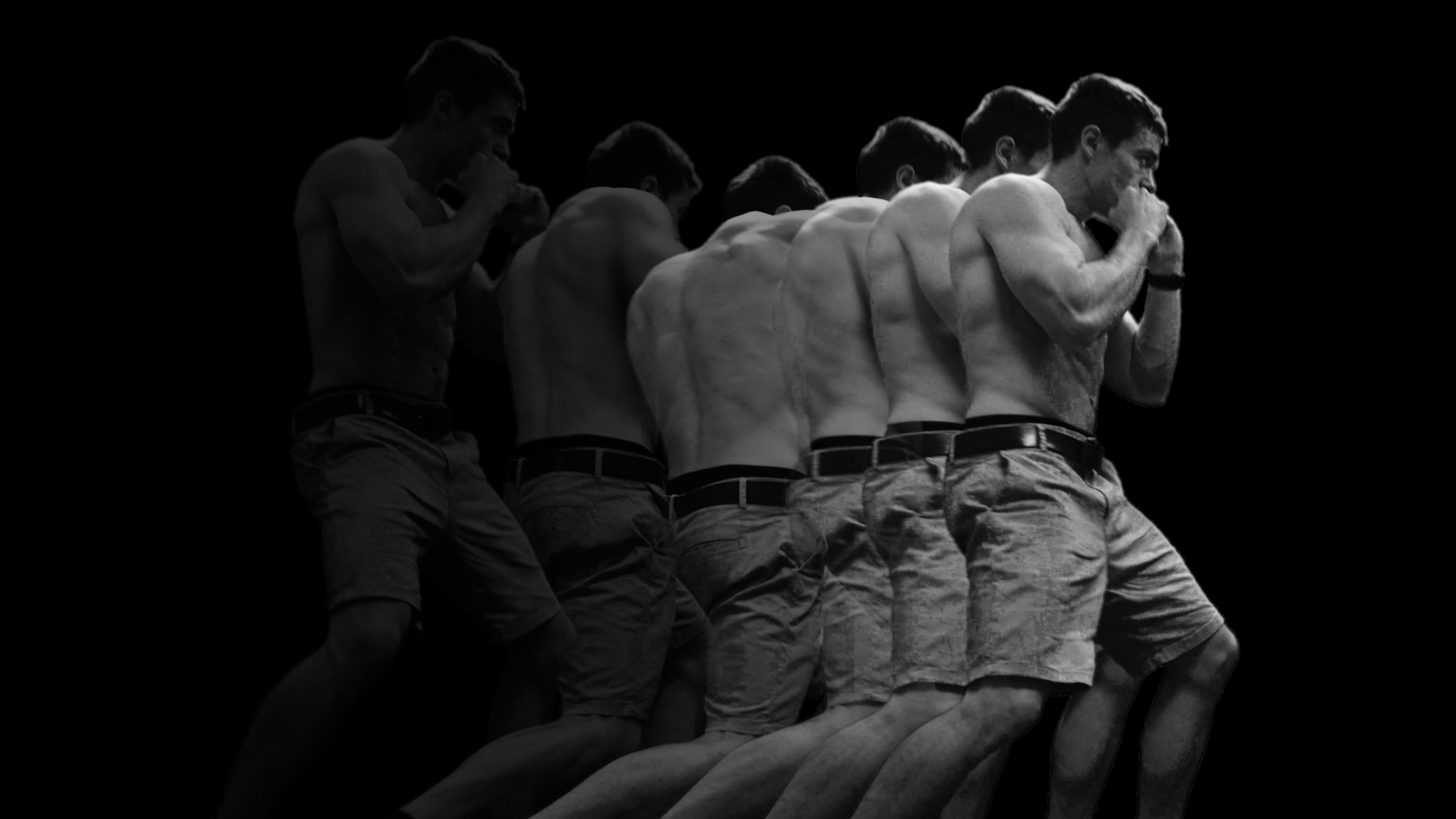
And strength alone doesn’t guarantee a powerful right hook. Many bodybuilders and powerlifters can’t punch their way out of a paper bag!
The same is true for throwing. And even running. Technique, mobility, proprioception, tendon stiffness… even timing play arguably bigger roles.
SUPERFUNCTIONAL 3: SUPERMOVER - SPRING SALE!
Supermover is a program that builds an athletic physique and functional performance with short, accessible, & fun home workouts.
GET SUPERMOVER HERE!
If you ignore those things because you worship purely at the alter of strength, you will drastically limit your athletic potential.
Why is that?
Well, it may sound counterintuitive… but it’s because punching isn’t primarily a strength movement; it’s a plyometric movement.
How can this be? You ask! Plyometrics are explosive jumping and bouncing movements like box jumps and clapping push ups; movements with a short ground contact time. There’s no jumping in a punch!
Well, actually, most definitions of plyometrics (though not all) focus on the involvement of the stretch-shortening cycle (SSC) and the myotatic stretch response. It’s less about the ground-contact time and more about the rapid lengthening and contraction of muscle. When you land from a jump into a deep squat (the amortisation phase) you are rapidly stretching glutes, quads, and calves. This then activates the myotatic stretch response, where those muscles rapidly and reflexively shorten. Combined with elastic recoil from strong tendons, this allows for a stronger contraction that you could accomplish on your own.
(Although the effect seems to operate a little more like a “run up” for the muscles, rather than a spring.)
If you squat deeply, wait there, then launch yourself out of that position… you are being explosive but you’re not being plyometric. Not because there’s no short ground-contact time but because you’re not engaging the SSC.
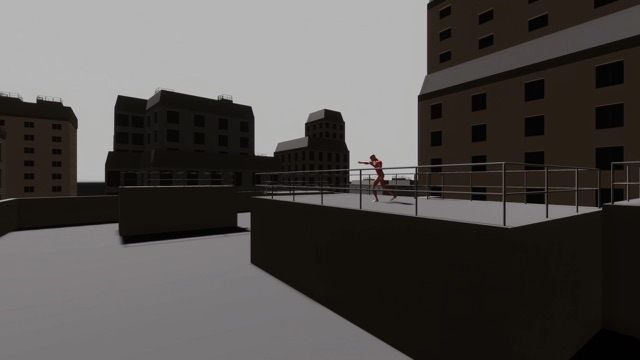
So, how does this apply to a punch?
Well, in order to throw a punch properly, you need to create a snap and a whip effect. You aren’t simply “pushing” your fist out as you would push a barbell in a bench press. To achieve this, a martial artist will first adopt a stance where one arm and foot are further back than the other. We’ll assume they’re fighting north paw, so the right foot is back and the right fist is protecting the cheek.
The fighter will then explosively twist the back foot (it should come up on the toes) and use this to drive the hips forward on that side.
Crucially, as they do this, they should NOT allow the shoulder to follow – not yet. For a brief moment the right hip will be thrust forward while the right shoulder remains behind. It is a “contralateral movement” like walking – meaning that the right hip comes forward while the left shoulder is still behind. This is important because it’s what twists the body and stretches the muscles across the torso that make up the “serape effect.”
(The Serape Effect, named by Logan and McKinney in the 70s, refers to a selection of muscles that form the shape of a Mexican serape across the torso and that are involved in many rotational athletic movements.)
In this case, the muscles are the serratus anterior, the external obliques, and the internal obliques. Even the pecs and the lats play a role as they too contribute to that diagonal force. The rhomboids are part of the Serape but they act more like anchors in this context.
This is the precise same amortisation phase and it’s the reflexive impulse to contract from here that allows the very most explosive and powerful punch.
During this contraction the back shoulder comes forward powerfully and it’s only then that the athlete drives the fist forward with what we would normally describe as traditional “strength”.
So, strength definitely plays a role. Stronger shoulders and pecs will help you drive more power into the fist in that final blow. Bigger, stronger legs will ground you more into the ground. And, if you are maintaining a proper tension in the core, you’ll be able to put more weight into the punch if you are heavier.
But if you can’t coordinate that initial myotatic stretch, then any additional strength will be largely wasted.
This explains why it is so important for a fighter to remain relaxed and loose when throwing a punch and to utilise what sports coaches refer to as the “double pulse.” They contract the legs to drive the hips but the torso must remain relaxed or else they won’t be able to create that rapid stretch. If the torso is too rigid it will follow the hips and there will be very little power – they will lack the whip.
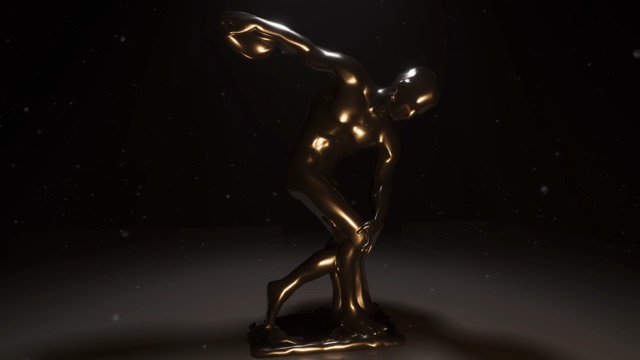
The same is true when throwing. In fact, the stretch plays an even bigger role here as athletes will actually extend their spines to create even more of a stretch (they usually have to worry less about telegraphing). A similar motion occurs when we run and sprint.
Weight classes exist for a reason. Getting stronger to an extent will help you punch harder and throw further.
But only to an extent. There’s a reason that powerlifters don’t simply dominate every sport (despite what some will tell you).
If you truly want to punch harder, you need to focus on your technique, develop thoracic mobility, train explosively, maintain a good strength to weight ratio.
Because punching is not primarily a strength movement. It is a plyometric movement.
Wow! This was really interesting! I’ve been in martial arts for years and punching since Day 1, but I never thought about how complex the motion actually is. Very cool!