Ever since I first started reading about training, it seemed to be accepted truth that the squat was the “king” of leg exercises. Everyone agreed it was the bestest, most specialist, forever-times-infinity!
And to disagree was heresy.
Fast forward to today and, if anything, this dogmatism has only gotten worse.

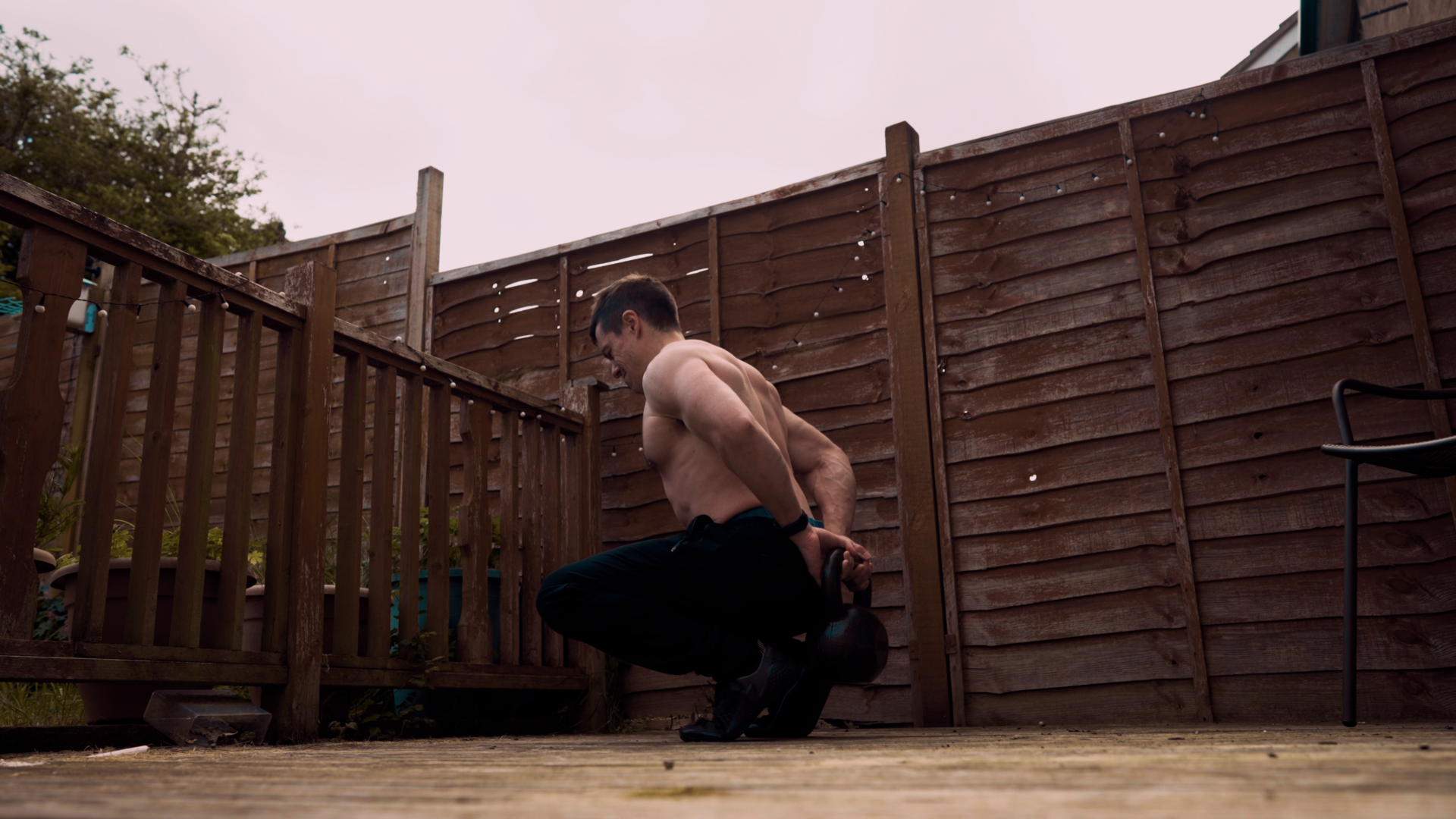
I just made a video explaining the benefits of the kettlebell hack squat. This is an awesome lift used by old-time strongmen (including George Hackenschmidt, famously) that has been somewhat lost to time. A lot of people seemed to really like that video and said they were surprised at just how tough the movement felt and how well it could fit into their current routine.
But one comment stuck with me. One that said:
“Normal barbell back squats are vastly superior to this Mickey Mouse stuff.“
SUPERFUNCTIONAL 3: SUPERMOVER - SPRING SALE!
Supermover is a program that builds an athletic physique and functional performance with short, accessible, & fun home workouts.
GET SUPERMOVER HERE!
Ignoring the sassy tone for a moment (my kids would NOT get away with that attitude), I found this comment particularly tiresome.
Thing is… it’s just so… wrong. You know?
And this isn’t me trying to single the guy out for being an idiot – he doesn’t need my help there – it’s just that it is so perfectly indicative of what’s broadly wrong with the fitness industry, as a whole.
So, in a remarkably petty move, I’m making an entire article about it!
Apples to Oranges
Saying that you don’t need the hack squat because the barbell back squat is better is like saying that you don’t need to brush your teeth because sleep is vastly superior.
It’s just nonsensical.
Sure, I see where the guy is coming from. He’s probably watched some videos by Mark Rippetoe and heard him say that building max strength is all that matters for performance, and that the big three lifts are vastly superior for that purpose because they let you move the most amount of weight.
Without getting sidetracked and pointing out the obvious issues with these statements (strength is not all that matters, you can lift more with a trap bar deadlift etc.), we can somewhat agree with the logic on face value.
Or maybe our gormless commenter watched some bodybuilding videos and learned they needed to optimise for hypertrophy at all costs. And that strength gains = size gains.
Again, lots of issues. But I’m going to avoid taking the bait and stay focussed…
Because first things first: I don’t have access to a barbell at home and I certainly don’t have access to 150kg in weight plates. I specifically mentioned that I was positioning the hack squat as a useful exercise you could use from home, particularly if you want to emphasise the quads.
How else are you going to bias the quads with weight from home?
So, telling me that I shouldn’t use the hack squat is like telling me I shouldn’t drive my Vauxhall Insignia because a Ferrari is superior. Sure. But I can’t afford a Ferrari and I don’t have space for a power rack. This is a completely moot comparison.
In fact a lot of people don’t have access to a barbell and power rack. Training at home has SO many advantages that – to me – the inability to train from home is a severe mark against any exercise.
So, what, we just don’t get to squat?
Other people might not get on with the barbell back squat because of limb lengths, hip insertions, a bad back, or any number of other issues. If a coach is trying to get someone in top shape for a sporting event in a few weeks and their client struggles with loading the back squat, then having other options is a Godsend.
The fact that someone would be so dense as to not consider all the other scenarios where a barbell back squat might not apply… it’s honestly quite impressive.
The Hack Squat is Powerful in Its Own Right
But even if I had access to a gym I would still keep doing the kettlebell hack squat.
Why?
Well, first of all, it strengthens the knees by placing them out in front of the toes. This is awesome for strengthening the VMO, which dense with fast twitch muscle fibre and extremely important for athletic performance (it’s also very important for developing athletic looking legs, if that’s your jam).
The hack squat also requires a huge amount of balance, strength, and stability in the feet and ankles. This is something the back squat can’t really offer at all and it’s one of several reasons power lifting alone isn’t enough to make you into a champion sprinter.
I don’t have massive legs. I can’t squat huge amounts.
But I can do a bunch of cool moves with my legs. Like a really deep sissy squat with no hands that looks a bit like I’m defying gravity. I can also run and jump really far. And I can do handsprings and land in this really tough position on the knees.
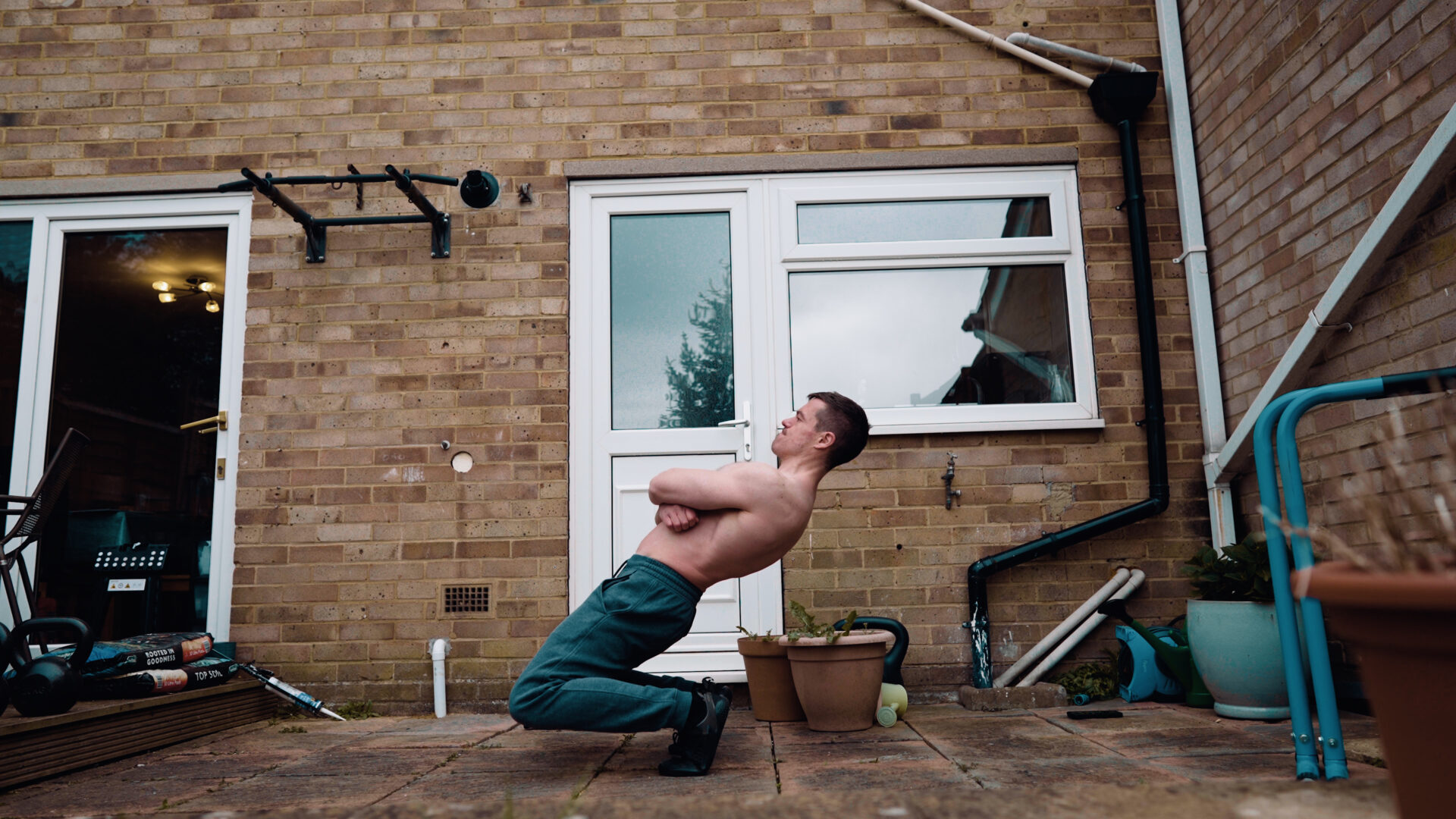
I’m really fast at sprinting. And I can hurdle over railings that are as high as my sternum.
(This is basically what my hypothetical dating profile would look like.)
These kinds of movements aren’t impossible for a powerlifter or bodybuilder… but are certainly unlikely.
People have different goals. And that’s okay! You might even want to do a barbell back squat AND a kettlebell hack squat.
Mixing modalities?? Crazy, I know.
You might also be training more for strength endurance by using higher rep ranges. At this point, the fact that you can lift more with a back squat is no advantage at all. At this point, a dumbbell squat, goblet squat, or good-old air squat becomes just as useful.
Maybe you focus on building amazing ankle stiffness with the sled/truck push. Maybe you develop lightness like a boxer using a jump rope.
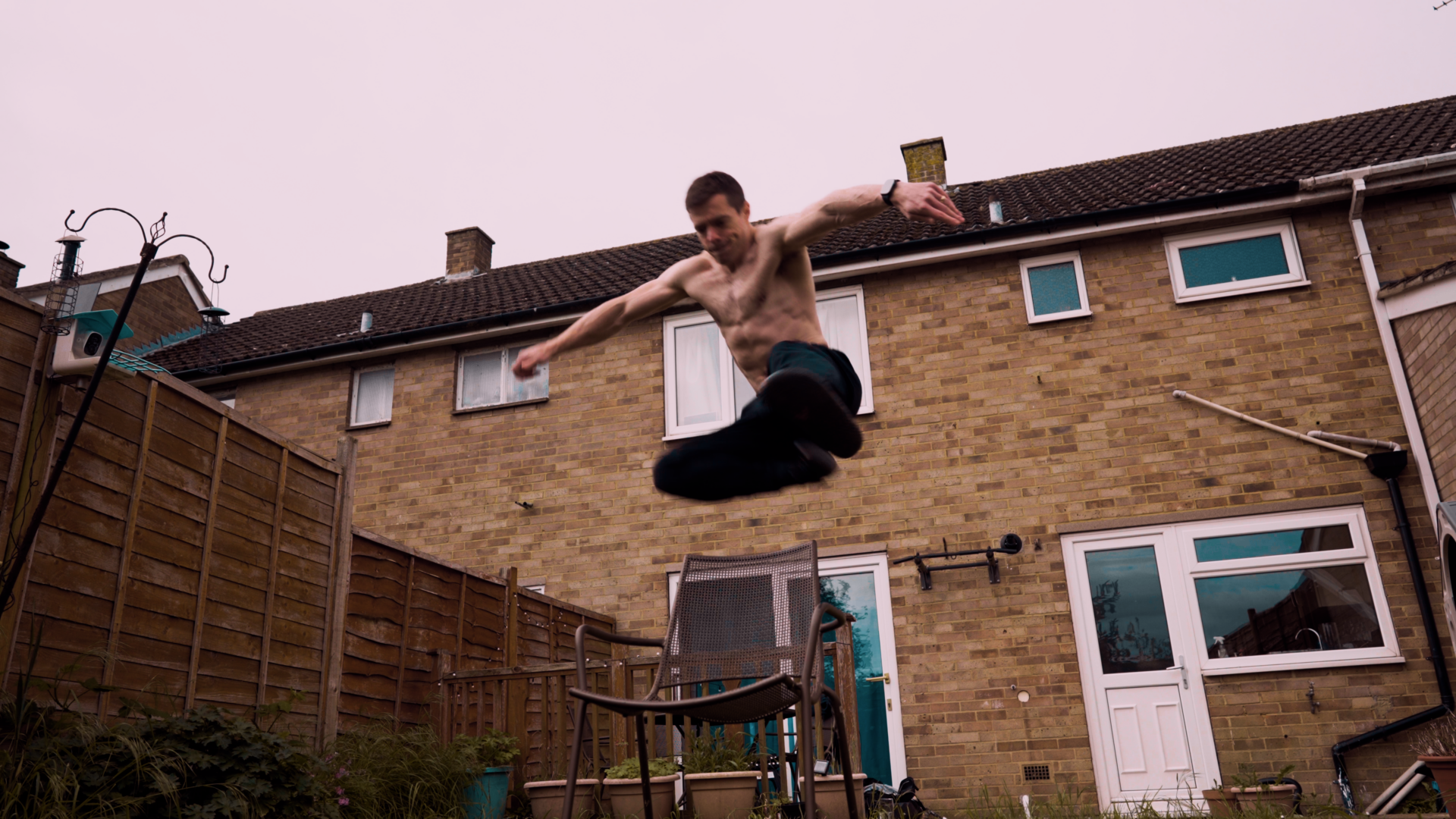
Maybe you focus on explosive plyometrics with a Verkhoshansky Depth Jump.
Closing Thoughts
Ultimately, saying that the back squat is the “best leg exercise” is a completely nonsense statement. It comes from an environment where bodybuilding and powerlifting are so ubiquitous that “fitness” commenters seem to forget that those aren’t the only goals – that most people just want to look, feel, and move a bit better.
And it comes from creators who have built their personality around three exercises – to the extent that they can’t stand the idea that those exercises might not be “the best.”
In reality, the entire idea of ranking exercises is fundamentally flawed. There is no best exercise; only the best exercise for the situation, goal, and individual.
(If you think this argument is me arguing that the hack squat is better than the back squat… I just can’t with you.)